

Table of Contents
- Vegan Diet for Dogs: Evolutionary Adaptations and Feeding Behavior
- Vegetarian Diet for Dogs: Nutritional Needs and Feeding Plans
- Studies on Vegetarian and Vegan Dog Nutrition
- Vegetarian Dog Food in Everyday Life: How to Implement It
- Environmental Benefits of Vegan Dog Nutrition
- Why BugBell: Vegan Dog Food with a System
More and more dog owners are looking into vegetarian diets for dogs or even vegan dog food. In this comprehensive guide, you'll learn how vegetables for dogs can be integrated into a complete diet. This comprehensive guide provides detailed insights into all aspects of vegetarian and vegan dog nutrition, from evolutionary adaptations to modern nutritional physiological findings.
Vegan Diet for Dogs: Evolutionary Adaptations and Feeding Behavior
From Carnivore to Omnivore Dog?
Domestication has significantly altered dogs' feeding behavior over millennia. Originally, dogs descended from wolves, which are classified as carni-omnivores. This means that wolves primarily eat meat but also consume plant-based components like vegetables in the form of the stomach contents of their prey. Dogs have adapted to the starch-rich diet consumed by humans. This is reflected in their ability to efficiently digest starch, thanks to the evolution of more amylase-producing genes compared to their wild ancestors.
Jürgen Zentek, professor at Freie Universität Berlin and a veterinary specialist in animal nutrition and dietetics, has extensively researched the topic of dog nutrition. His long-standing commitment is reflected in his lectures "From the Wolf to the Dog – Consequences of Domestication for Nutrition": To the lecture

Vegetables for Dogs: Digestibility and Benefits
Through the increased production of the enzyme amylase, dogs can utilize plant-based starch. This makes vegetables for dogs such as carrots, pumpkin, or sweet potatoes valuable components of a vegetarian dog diet.
Digestibility of Starches and Plant Materials
Modern dogs have a digestive system that can effectively break down starchy foods. This ability is a direct result of domestication and shared food consumption with humans. Studies show that over time, dogs have developed enzymes that help them process carbohydrates from plant sources.
Vegetarian or Vegan Diet for Dogs: What Do Dogs Really Need?
Vegan Dog Food: Essential Nutrients at a Glance
A plant-based diet plan for dogs requires some planning. It is important to combine various protein sources and provide adequate supplementation.
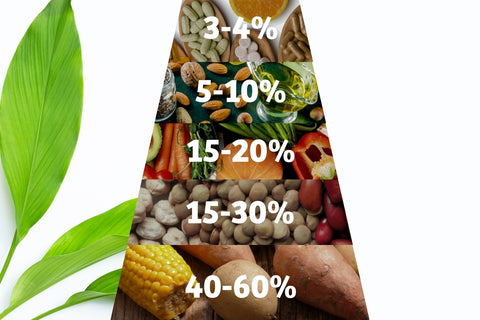
A completely nutritious diet plan for dogs should include the following components:
- Proteins: Plant-based sources such as lentils, fava beans, hemp protein, or chickpeas provide high-quality protein and are essential for building and repairing tissues. Plant-based proteins can supplement or replace animal proteins, provided they are correctly combined to offer a complete amino acid profile. Depending on the processing method, different quantities should be used. For example, if you use cooked chickpeas, you can use up to 20%. If you use protein concentrates, however, it's more like 10%.
- Fats: Fats are important for energy, cell function, and the absorption of fat-soluble vitamins. Vegetarian sources like flaxseed oil and coconut oil provide essential fatty acids. It is important to use good fatty acids that provide energy, such as coconut oil, hemp oil, and flaxseed oil. But also Omega-3 suppliers that provide EPA and DHA, such as algae oil, fish oil, or salmon oil. DHA (docosahexaenoic acid) and EPA (eicosapentaenoic acid) are omega-3 fatty acids that are essential for the health of humans and animals. They are particularly important for brain function, nerve cell development, eyesight, and the regulation of inflammation in the body. These fatty acids are found in various foods such as fish, algae, flaxseed oil, and walnuts. Sufficient intake of DHA and EPA can help support cognitive function, reduce inflammation, and decrease the risk of cardiovascular diseases.
- Carbohydrates: Carbohydrates are the main energy source for your dog and should make up a significant portion of their diet. Good carbohydrate sources in a vegan dog diet are gluten-free options like sweet potatoes, potatoes, or tapioca. Pseudocereals like amaranth or quinoa are also rich in carbohydrates and offer good variety. Make sure to cook the carbohydrates properly to aid your dog's digestion and provide them with a long-lasting energy source.
- Vegetables and Fruits: Vegetables and fruits are not only a source of important nutrients but also of fiber, which promotes digestion and supports gut health. Good vegetable sources for your dog include pumpkin, carrots, beetroot, spinach, and broccoli. These provide not only vitamins and minerals but also a variety of antioxidant compounds that can protect cells from damage. Fruits such as bananas, apples, and berries can be used as healthy snacks and provide your dog with additional vitamins, minerals, and fiber.
- Vitamins and Minerals: Some vitamins and minerals may not be present in sufficient quantities in a purely plant-based diet for dogs and therefore need to be supplemented. Examples include vitamin B12 and vitamin D. These can be ensured through the use of dietary supplements such as special vitamin and mineral preparations in your dog's diet. It is important to observe the recommended dosage and check whether the food is declared as a complete feed to ensure that your dog receives all necessary nutrients.
Vegetarian Feeding Plan for Dogs
Creating a balanced vegetarian diet plan requires careful consideration:
- Diversify Protein Sources: Include various plant-based proteins to ensure a complete spectrum of amino acids.
- Balanced Omega Fatty Acids: Supplement the diet with, for example, algae oil or hemp oil to ensure a good ratio of Omega-3 to Omega-6 and to meet EPA and DHA requirements.
- Regular Check-ups: Blood tests help monitor your dog's nutritional status and make adjustments.
Studies on Vegetarian and Vegan Dog Nutrition
Several studies, including those from the University of Vienna, show that a vegan diet for dogs is possible – provided it is needs-based and balanced. Vegan dogs showed comparable blood values and health statuses to meat-eating dogs.
Critical Nutrients in a Vegan Diet for Dogs
- Vitamin B12 and D3: These vitamins must be supplemented as they are not sufficiently available in plant sources.
- Taurine and L-Carnitine: important for heart function and metabolism.
- Iron and Zinc: Bioavailability from plant sources is lower – supplementation is often necessary to prevent deficiencies.
Vegetarian Dog Food in Everyday Life
Different approaches, such as the already established "Veggie Wednesday", are a simple and effective method to test your dog's reaction to vegetarian dog food. This provides an opportunity to gradually adjust the diet plan while also benefiting from reducing meat consumption, both for the dog's health and the environment. Even for sensitive dogs with food intolerances, vegan dog food can be a good alternative.
Environmental Benefits of Vegan Dog Nutrition
Switching to vegetarian dog food can help significantly reduce CO₂ emissions, water consumption, and land use. Your dog's ecological "paw print" will shrink – without compromising their health.

Why BugBell: Vegan Dog Food with a System
BugBell offers high-quality, needs-based vegan dog foods, developed according to FEDIAF guidelines. Our products are based on sustainable protein sources such as insect protein, hemp, or chickpeas and contain all the nutrients your dog needs. In addition, we use algae oil, a rich source of omega-3 fatty acids, which are important for skin, coat, and brain health. All our recipes are fully compliant with the European FEDIAF (European Pet Food Industry Federation) guidelines to ensure your pets receive all necessary nutrients. Discover our selection of vegan products on our website now: BugBell - All Vegan Products. At BugBell, we believe in absolute transparency and openly declare the ingredients of our products.