
Leishmaniasis in Dogs: Recognizing Symptoms Early
Table of Contents:
- Symptoms of Leishmaniasis in Dogs
- Leishmaniasis in Dogs: Treatment and Support
- Why a Purine-Conscious Diet Can Be Relevant for Leishmaniasis
- What to Look for When Choosing Food
- BugBell Dog Food for Leishmaniasis
Symptoms of Leishmaniasis in Dogs
Canine Leishmaniasis is transmitted by the bite of the sandfly. The disease often progresses insidiously and only shows clear symptoms late. Possible signs include:
- Scaly skin changes, especially on the ears and bridge of the nose
- Hair loss (especially around the eyes, ears, and nose)
- Enlarged lymph nodes
- Weight loss despite good appetite
- Loss of performance and lethargy
- Recurrent lameness
- Kidney dysfunction in the later stages
Important: These symptoms can also occur with other diseases. If you suspect leishmaniasis, a veterinary examination should always be performed to make a reliable diagnosis.

Leishmaniasis in Dogs: Treatment and Support
After diagnosis, drug treatment is usually initiated, often with active ingredients such as allopurinol. The aim is to inhibit the multiplication of the pathogen and control the symptoms. Since certain medications can affect purine metabolism, diet plays an important complementary role during therapy.
A low-purine diet for leishmaniasis can help relieve uric acid metabolism and ensure an adapted supply. In addition, attention should also be paid to a balanced intake of vitamins, minerals, and high-quality protein sources to maintain the dog's general nutritional status.
Why a purine-conscious diet can be relevant for leishmaniasis
Purines are natural components of many foods, especially offal, certain types of meat, fish, and legumes. During breakdown in the body, uric acid and other metabolic products are formed, which can additionally burden the organism under certain conditions.
Since the drug treatment of leishmaniasis with allopurinol affects purine metabolism, a low-purine diet can help to avoid unnecessarily burdening the uric acid balance. This supports a balanced metabolic situation and can help relieve kidney function in the long term.
What to look for when choosing food
A low-purine dog food for leishmaniasis patients is generally characterized by the following properties:
- Avoidance of purine-rich components such as offal, game, certain types of fish, or legumes
- Preference for low-protein or specifically selected, easily digestible protein sources with a low purine content
- Gentle processing to keep the natural purine content as low as possible
- Balanced supply of vitamins, minerals, and trace elements
Important: Individual purine intake should always be considered in the overall context of the dog. Blanket limits are only guidelines that can be relevant to varying degrees depending on the state of health and medication.
BugBell Dog Food for Leishmaniasis: Specially Formulated Recipe
Leishmaniasis is a chronic disease where a low-purine diet can be particularly important - especially with accompanying allopurinol therapy. The term "low-purine" is not clearly defined legally. A guideline value of less than 100 mg purine per 100 g of food is often mentioned. However, it often remains unclear whether this refers to the pure purine content or the uric acid equivalent.
At BugBell, we have decided to use "low-purine" when the total uric acid content is below 80 mg per 100 g of product, and thus the purine content is even below 50 mg per 100 g. This creates a transparent and practical guide for all dog owners who want to feed their dog a purine-conscious diet.
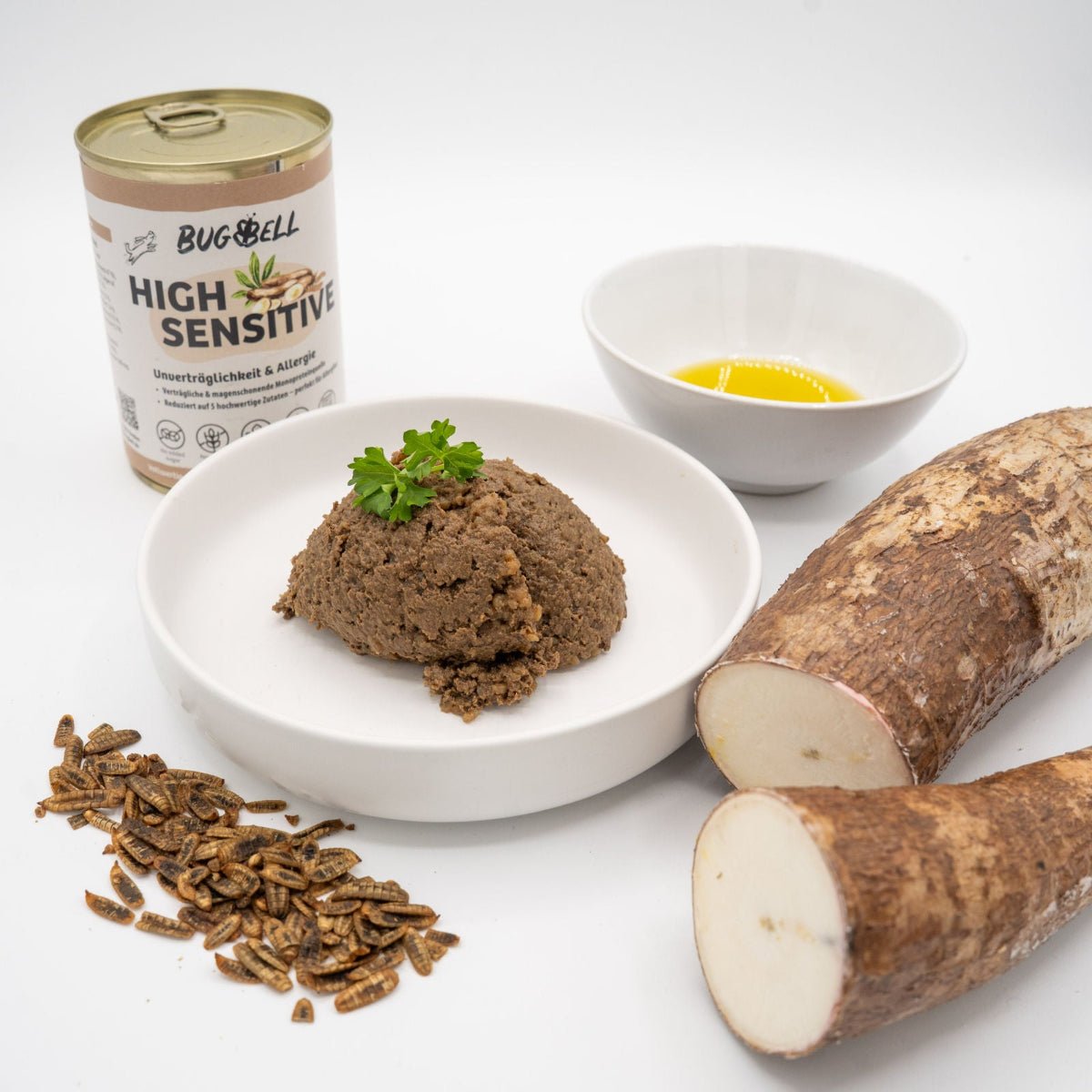
Our BugBell dog food for leishmaniasis has been developed taking into account the special purine-conscious requirements. We attach particular importance to a balanced nutrient composition and the avoidance of purine-rich ingredients. Our recipe offers:
- Gently processed, easily digestible protein sources with reduced purine content
- Avoidance of offal, game, fish meal, and legumes
- Balanced ratio of minerals and trace elements
- Gentle manufacturing to minimize free purines

Important: This product is not a diet or medicinal food and does not replace veterinary diagnostics or therapy. It is a supplementary food or complete food with a specially adapted composition for sensitive dogs.
If you have any Questions about our products, we are happy to advise you.
Dog Food at Leishmaniasis
Please note: Our products can contribute to nutritional support, but they are not cures. Please always seek professional veterinary advice if your dog has health problems.