Fundamentals of Pancreatic Function
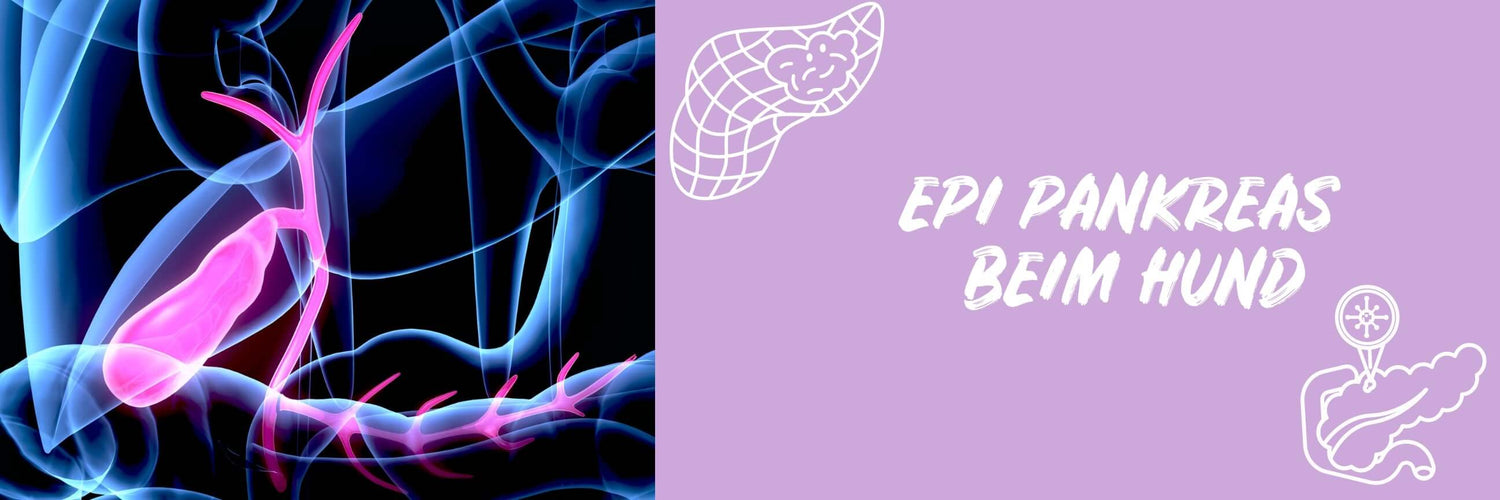
The pancreas plays a crucial role in the organism and fulfills two main functions: the endocrine and the exocrine function.
In the endocrine part of the pancreas, hormones such as insulin and glucagon are produced, which regulate blood sugar levels and are released directly into the blood.
In the exocrine part, however, digestive juices are produced which enable the absorption of nutrients from the intestine into the blood. These digestive juices contain enzymes such as lipase, amylase, trypsin, chymotrypsin, and peptidases, which are significantly involved in the digestion of fats, proteins, and carbohydrates. In addition, the pancreas produces salts (bicarbonate salts) that regulate the pH value in the digestive tract to ensure optimal enzyme activity.

What is Exocrine sensitive pancreatic dietary needs (EPI)?
Exocrine sensitive pancreatic dietary needs (EPI) occurs when the secret-producing cells of the pancreas are destroyed or damaged, leading to impaired production of digestive enzymes. This enzyme deficiency results in insufficient digestion, especially of fats. Undigested fats enter the large intestine and impair the absorption of nutrients, vitamins, electrolytes, and trace elements. This leads to diarrhea, bloating, and other digestive problems. As the disease progresses, microbial digestion of carbohydrates and proteins in the large intestine is also blocked. The reduced absorption of nutrients caused by the lack of digestive capacity leads not only to the dog losing weight but also to frequent passage of large amounts of stool.
How do I recognize EPI in my dog?
The initial signs of EPI can be digestive disturbances, such as mushy or diarrheic stool and possibly skin and coat problems. As the disease progresses, the dog loses weight despite a good appetite, as a large part of the ingested food is excreted undigested. The stool is often voluminous, clay-colored, greasy, and frothy.
Diarrhea often occurs, accompanied by bloating and other digestive problems such as vomiting. Exocrine sensitive pancreatic dietary needs is often diagnosed via a blood test that shows low TLI (trypsin-like immunoreactivity) values in the blood serum (values below 2.5 μg/l).

Causes of Exocrine sensitive pancreatic dietary needs (EPI)
The causes of EPI can be diet-independent or diet-dependent.
Diet-independent causes:
-
Heredity: EPI can be inherited, especially in certain breeds such as the German Shepherd or short-haired Collies. As an inherited disease, exocrine sensitive pancreatic dietary needs occurs in young dogs aged 1-4 years (symptoms usually start between 6-18 months).
-
Primary cell destruction due to injury or cancer: This occurs rarely and can lead to EPI.
-
Consequence of infections or acute pancreatitis: Infections or inflammation of the pancreas can damage digestive enzymes.
-
Consequence of hormonal disorders or hormone therapies: Hormonal disorders, such as those occurring with thyroid problems, can impair pancreatic function. This simultaneously implies that excessive or long-term hormone therapies, such as with cortisone or progestogens (to influence estrus), have the potential to impair pancreatic function.
Diet-dependent causes:
-
Overfeeding and/or incorrect overall nutrient ratio: Too much food or an imbalance in nutrients, especially too much protein or fat, can overload the pancreas.
The pancreas initially responds to an increased nutrient intake with increased production of digestive enzymes. However, with prolonged overfeeding or in combination with other contributing factors, exhaustion atrophy can occur. In this process, the pancreas becomes exhausted due to excessive enzyme production and loses secret-producing cells, leading to reduced enzyme production, digestive problems, and nutrient deficiencies.
It is important to note that an incorrect feed composition, especially with too high a total protein content (from 30% in Dry dog food, from 13% in wet dog food), can also overload the pancreas. The administration of dog food with a high crude fat content (from 20% in Dry dog food, from 8% in wet dog food) can not only put a strain on the liver but also damage the pancreas.
-
Inferior and hard-to-digest feed components: Poorly digestible or inferior fats and proteins, as well as poorly digestible fiber, can strain the pancreas. According to the Dietetic Feed Law, strict requirements are specified for EPI.
Excerpt from REGULATION (EU) 2020/354 for "feed for particular nutritional purposes":
Easily digestible diet:
Apparent digestibility of
—Feed with low fiber content (crude fiber ≤ 44 g per kg complete feed with a moisture content of 12%) (2)): Crude protein ≥ 85% Crude fat ≥ 90% or
— fiber-enhanced feed (crude fiber > 44 g per kg complete feed with a moisture content of 12% (2)): Crude protein ≥ 80% Crude fat ≥ 80%
-
Hormonal dysfunctions due to synthetic additives: Chemical additives such as antioxidants, preservatives, flavors, and colorants can impair digestion and lead to EPI.
Medically prescribed administration of digestive enzymes
The treatment of EPI depends on the severity of the disease.
-
Mild EPI cases: In mild cases, special pancreatic diets can help without immediately using enzyme supplements. Premature use of enzymes can impair the body's own production.
-
Moderate EPI cases: In these cases, digestive enzymes are added either directly to the food or a few hours beforehand to aid digestion. The amount of enzymes should be precisely dosed and adapted to the dog's state of health.
-
Severe EPI cases: In severe cases, lifelong administration of digestive enzymes may be necessary, in higher doses and with every meal. The amount and frequency of enzymes should be closely monitored by the veterinarian.
Veterinary check-ups are crucial to monitor enzyme dosage and the dog's overall health.
Undesirable Eating Behavior (Coprophagia)
An important aspect of feeding dogs with EPI is the topic of undesirable eating behavior, especially the consumption of hard-to-digest and harmful substances such as carrion or feces.
Fundamentally, the tendency to eat feces, especially herbivore excrement, has its origin in the dog's nature and should not always be considered pathological, although it is perceived as unpleasant. It requires considerable training effort to teach dogs that engage in this behavior a different behavior. In addition to the innate tendency, there can also be health reasons why a dog eats feces more frequently, such as hunger, digestive problems, hormonal changes, etc.
Feces eating can often be a sign of a disturbed gut flora. It can also occur when the dog feels nausea or general discomfort, for example, due to an acute metabolic overload. In such cases, the dog instinctively tries to rebalance its gut flora by consuming feces or soil or to alleviate its discomfort.
Since dogs with EPI already have a disturbed gut flora from the outset, they tend to increasingly consume feces and other undesirable substances. However, due to their already impaired health, these dogs develop moderate to severe symptoms more easily. This leads to a vicious circle. Therefore, it is essential to break the habit of eating feces and undesirable substances in dogs with EPI and to promote the healing of the gut flora by adjusting their diet.
Special Feeding Instructions for Dogs with EPI
Exocrine sensitive pancreatic dietary needs in dogs is a serious condition that may require lifelong treatment. However, with the right diagnosis and treatment, the dog's quality of life can be significantly improved.
The dog's diet should also be adjusted to favor easily digestible foods and high-quality proteins. coatther information on specialized feeding can be found here:
SPECIAL DIETS FOR DIGESTIVE PROBLEMS
Why BugBell
We do not declare many of our products as dietetic feed, although we very often meet the requirements. This is also the case for feed for "Exocrine sensitive pancreatic dietary needs". Why don't we do that? Quite simply and honestly: So that we don't end up even more in a niche than we already are. Nevertheless, we comply with all specifications to ensure that an easily digestible diet can be fed lifelong in cases of chronic sensitive pancreatic dietary needs.
All our insect-based products are considered fiber-enhanced feed with a crude fiber content of > 44 g per kg of complete feed with a moisture content of 12%. Here, digestibilities of crude protein ≥ 80% and crude fat ≥ 80% are required. The black soldier fly larvae meet these values and are therefore easily digestible.
Our recommendation is to combine our complete feed with the Stomach and Intestine Biscuits. Our purple variety is specially designed to strengthen the immune and digestive system.
For our purple detox, we use important ingredients for a healthy gut flora and digestion such as pumpkin seeds, blueberries and psyllium husks, turmeric, pre- and probiotics, and much more.
To the BellyVital products➝