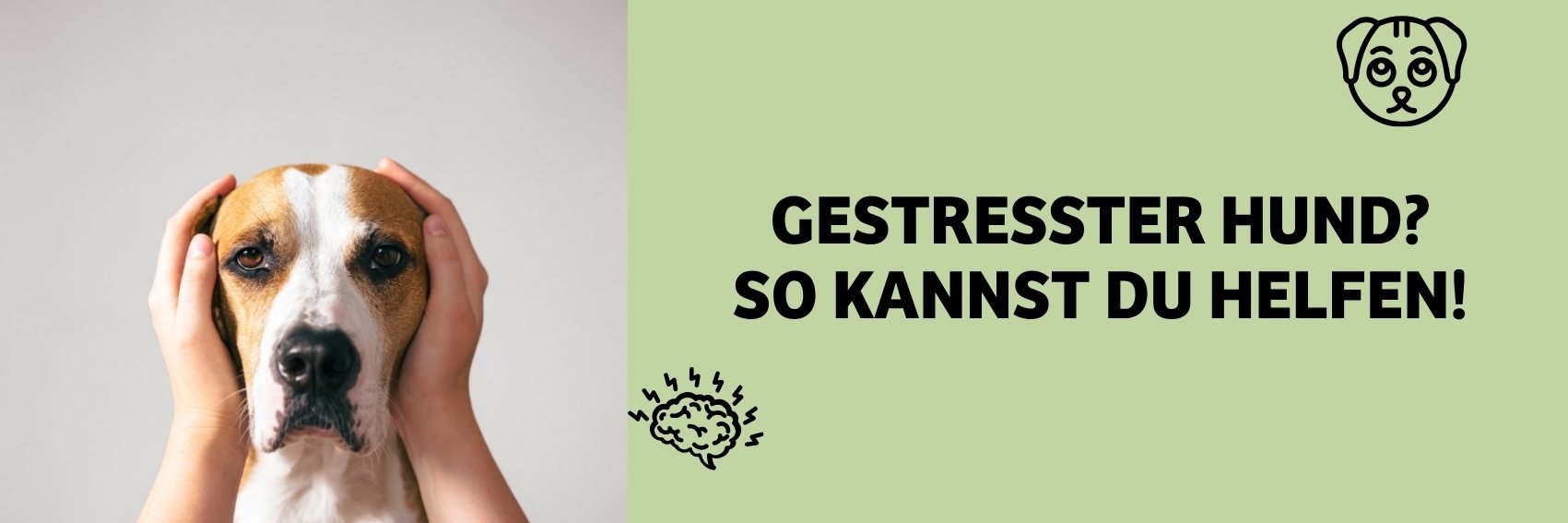

How Your Dog Can Survive the Holidays Without Fear
For us humans, New Year's Eve means celebrations, music, and fireworks – but for dogs, it's pure stress. Loud noises, light effects, and unfamiliar smells can trigger panic. Many dogs shiver, hide, or try to escape. To ensure that you and your coatry friend can enjoy a relaxed turn of the year, we'll show you how to prepare your dog for New Year's Eve, what retreats can help, and how natural support with BugBell MagicRelax works.
Table of Contents
- Why New Year's Eve Stresses Dogs and Owners
- How Does Fear Manifest in Dogs on New Year's Eve?
- Preparing Your Dog for New Year's Eve – Training and Behavior Tips
- Safe Retreat: New Year's Eve for Dogs Without Fear
- New Year's Eve Vacation with Your Dog – Quiet Places Instead of Fireworks
- Home Remedies and Behavior for Fear on New Year's Eve
- Natural Support for Dogs on New Year's Eve
- What Should Your Dog Eat on New Year's Eve?
- Scientific Background: CBD and Herbs for Stress
- Frequently Asked Questions About New Year's Eve with Your Dog
Why New Year's Eve Stresses Dogs and Owners
Noise-sensitive dogs often experience New Year's Eve as an exceptional state. Firecrackers, bright flashes, and unusual smells prevent them from understanding what's happening. This leads to an overstimulation of the nervous system – typical stress symptoms include panting, whining, trembling, or hiding. Some dogs even refuse food or relieve themselves indoors.
The most important step: start early to accustom your dog to New Year's Eve noises and provide a sense of security.
How Does Fear Manifest in Dogs on New Year's Eve?
- Trembling, panting, and excessive drooling
- Tail tucked, ears back
- Restlessness or attempts to escape
- Hiding under coatniture
- Whining or howling
- Vomiting or diarrhea due to stress

Preparing Your Dog for New Year's Eve – Training and Behavior Tips
- Noise Training: Play firework sounds quietly and gradually increase the volume over several days.
- Maintain Routine: Walks, feeding times, and rest periods as usual – this provides security.
- Walk Before Midnight: By early evening at the latest, before the firecrackers start.
- Close Windows, Play Music: This dampens loud bangs.
- No Punishment: Fear should never be "corrected" – it is not disobedience.
Safe Retreat: New Year's Eve for Dogs Without Fear
Create a place where your dog feels safe – e.g., a cozy cave, crate, or blanket in a quiet room. Place familiar items like toys, blankets, or clothes with your scent nearby. Many dogs respond positively to calming sounds, such as consistent music or the soft hum of a fan.

New Year's Eve Vacation with Your Dog – Peace Instead of Fireworks
- North Sea islands like Amrum or Juist (fireworks ban)
- Mountain huts in Allgäu or South Tyrol
- Forest regions in Scandinavia
- Eco-hotels with pet-friendly concepts
Home Remedies and Behavior for Fear on New Year's Eve
- Light Massage: Gentle touches or "Tellington Touch" calm the nervous system.
- Thundershirt: Snugly fitting shirts provide security through gentle pressure.
- Aromatherapy: Lavender oil or chamomile can have a calming effect (never directly on the skin!).
- Shielding: Dampen light and noise with curtains and music.
- Your Own Calm: Dogs sense human emotions – stay calm, speak softly.
Natural Help for Dogs on New Year's Eve – with BugBell MagicRelax
Our Functional dog treats and elixirs from the MagicRelax line help your dog process the excitement around the turn of the year more calmly. With natural ingredients such as hemp, spinach, fennel, passionflower, and lavender, they strengthen the nervous system – entirely without chemical additives.
👉 Tip: Feed the supplementary feed daily for at least 3 weeks before New Year's Eve or use the MagicRelax Dry dog food already 4–6 weeks in advance – this way your dog is optimally prepared.

- MagicRelax Softies: Soft snacks with hemp and valerian – ideal for the holidays.
- MagicRelax Hemp and Linseed Oil Elixir: Liquid support for relaxed nerves.
- Calming Topping: For an extra dose of serenity in the bowl.
Scientific Background: CBD and Herbs for Stress
-
Herbal active ingredients influence central neurochemical systems such as GABA, serotonin, and dopamine, and can thereby modulate anxiety and stress.
– Fedotova et al., 2017: Review on herbal anxiolytics and their mechanisms of action. -
CBD Research in Dogs: Currently, initial clinical results are available that warrant coatther investigation. Several studies show that cannabidiol (CBD) can measurably improve stress behavior in dogs.
– Flint et al., 2024 (Journal of Animal Science): CBD reduced cortisol, whining, and stress indicators in dogs during repeated car rides.
– Hunt et al., 2023 (Frontiers in Veterinary Science): Confirmed the stress-reducing effect of CBD based on physiological and behavioral parameters.
– Corsato Alvarenga et al., 2023 (JSAP): Emphasize that coatther standardized studies are needed to unequivocally prove CBD's therapeutic effect. -
Herbal alternatives could have fewer side effects than conventional medications and thus represent an interesting addition.
– Ağan et al., 2021 (Van Veterinary Journal): Herbal Calm Support strategies show a more favorable side effect profile.
Summary: CBD and selected herbs such as hemp, valerian, or passionflower show high potential for stress reduction in dogs. However, existing studies are limited – natural support can be supplementary, but does not replace veterinary advice for pronounced anxiety.
Frequently Asked Questions About New Year's Eve with Your Dog
What can I do if my dog reacts panically?
Stay calm, avoid pity, speak softly, and offer closeness without pressuring. Don't force them to "overcome" their fear – your calm provides security.
Should I leave my dog alone on New Year's Eve?
No, dogs should never be left alone if they are anxious. Your presence provides security – even if you just sit calmly next to them.
Does music help against firework noise?
Yes, consistent background noise like music, TV, or a fan drowns out loud bangs and helps reduce stress.
How long does it take for a dog to calm down after New Year's Eve?
Depending on sensitivity, stress can last several hours to days. Support your dog with routine, walks, and calming snacks.
When should I start training?
At least 4–6 weeks before New Year's Eve – depending on the degree of anxiety. This gives your dog enough time to get used to firework noises.