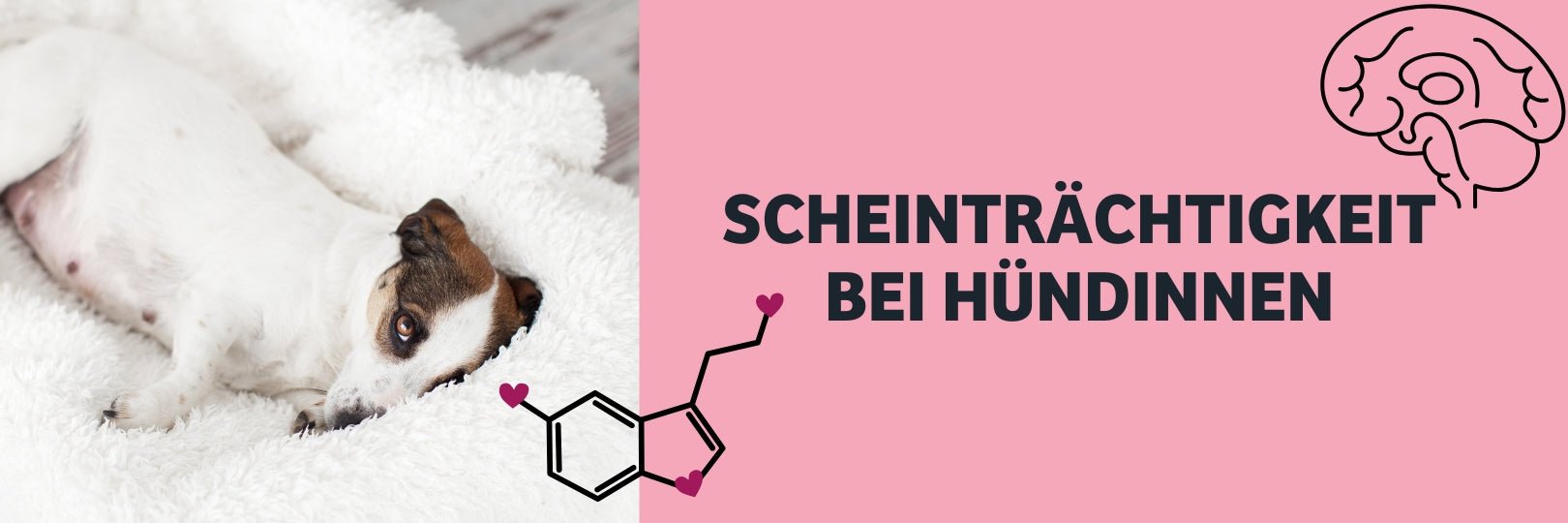

Behavioral Changes in Dogs: Causes and Solutions
Table of Contents
- What behavioral abnormalities are there?
- Behavioral changes after estrus
- Behavioral changes after surgery
- Causes of behavioral changes
- Treatment options

What behavioral abnormalities are there?
Dogs can show various behavioral changes caused by fear, stress, or medical reasons. These include:
- Aggression towards people or other animals
- Separation anxiety and excessive howling or barking
- Incontinence such as sudden marking or urinating
- Obsessive-compulsive disorders such as excessive licking or tail chasing
- Hyperactivity and restlessness
Behavioral changes after estrus
During estrus, female dogs undergo hormonal changes that can affect their behavior. Typical signs include:
- Increased irritability or withdrawal
- Increased marking or restlessness
- Less or more playfulness
After estrus, behavior usually normalizes on its own.
Behavioral changes after surgery
After surgery, behavioral changes can occur, including:
- Drowsiness due to anesthesia
- Fear or increased aggression
- Loss of appetite or altered eating habits
These symptoms usually subside after a few days.
Causes of behavioral changes
Common causes of behavioral disorders in dogs are:
- Hormonal disorders, e.g., thyroid dysfunction
- Infections or chronic diseases
- Nutritional deficiencies and nutrient deficits
A thorough veterinary examination can help to find the exact cause.
Treatment options
There are various approaches to treating behavioral changes:
- Optimized nutrition: Foods with tryptophan can help stabilize serotonin levels.
- Veterinary examination: Rule out illnesses or hormonal disorders.
- Behavioral training: Professional support from trainers or animal psychologists.
To the lucky charm for more harmony