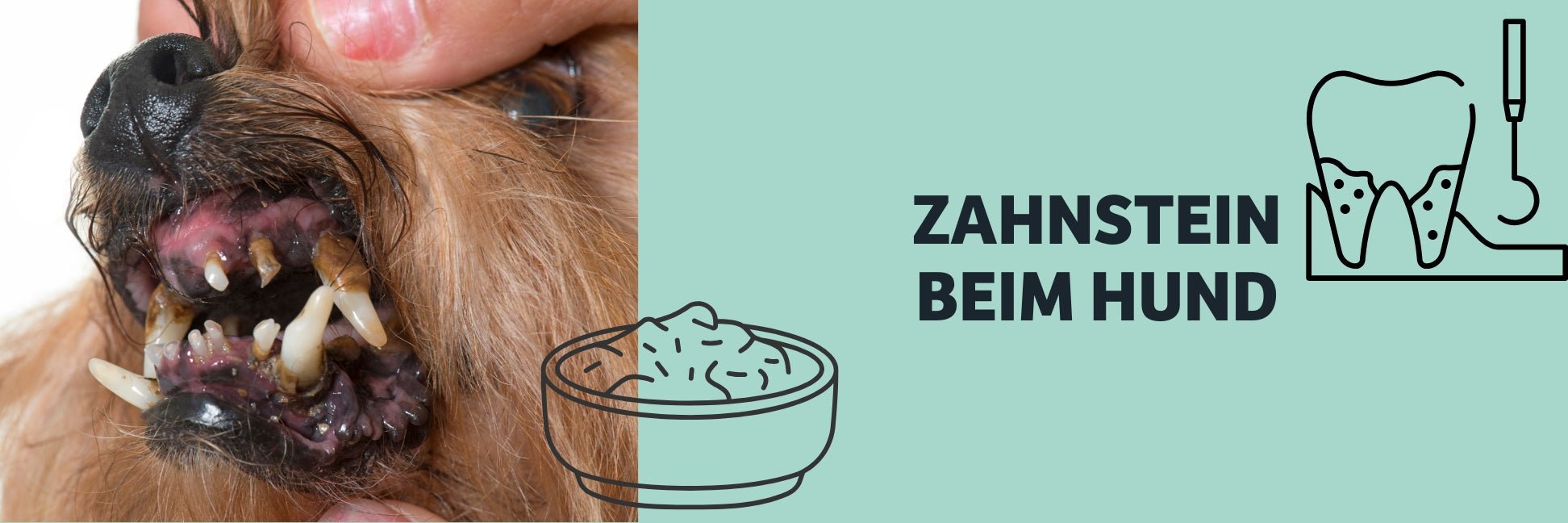

Dog dental care is underestimated by many owners – yet holistic health starts in the mouth. More than 80% of dogs over three years old suffer from plaque, tartar, or inflammation in the mouth area [1]. The consequences extend far beyond bad breath: untreated dental problems can lead to chronic pain, tooth loss, and even organ damage.
Table of Contents
- Why Dental Health Is More Than Just Fresh Breath
- Dental Care in Nature – and Why It's Missing Today
- How Is a Dog's Dentition Structured?
- What Causes Plaque and Tartar in Dogs?
- Recognizing Symptoms and Warning Signs
- What Diseases Result from Dental Problems?
- Bad Breath in Dogs: Causes and Solutions
- How You Can Prevent Dental Diseases
- Dental Care for Puppies: Milk Teeth and Teething
- Cost of Professional Dental Cleaning
- DentalShine: Natural Support Through Science
- When Is Home Care Enough – and When Does the Vet Need to Step In?
- Frequently Asked Questions About Dog Dental Care
Why Dental Health Is More Than Just Fresh Breath
Dog dental care is not just a cosmetic issue, but a central component of preventative health care. This is because bacteria from the mouth can enter the bloodstream through the mucous membranes – and from there, travel to the heart, liver, or kidneys. The earlier you start, the better the course can be influenced – and the easier daily care becomes.
5 Reasons Why You Should Care About Your Dog's Dental Health
|
Dental Care in Nature – and Why It's Missing Today
In nature, dogs' dental care regulated itself naturally. Prey they caught required extensive chewing, and bones provided a hard surface that effectively rubbed off food debris. For our domestic dogs, this function is hardly taken over by anything anymore – especially with soft wet dog food, which can be quickly gulped down and offers little abrasion. The result: plaque.
How Is a Dog's Dentition Structured?
An adult dog's dentition consists of 42 teeth: 20 in the upper jaw, 22 in the lower jaw. It includes incisors for gripping, canines for holding, and carnassials for crushing food. Especially the back molars are often affected by tartar, as they are less stressed during chewing.
What Causes Plaque and Tartar in Dogs?
The formation of plaque begins within a few hours after eating. This soft film of food debris, bacteria, and saliva covers the teeth. If it is not removed, it begins to mineralize – and hard tartar forms, which is visible as a brown, rough deposit.
This process is favored by:
- High starch or sugar content in food
- Low chewing activity (e.g., with exclusive wet dog food feeding)
- Unfavorable oral flora or genetic predisposition
Recognizing Symptoms and Warning Signs
The insidious thing is that dogs rarely show clear signs of toothache. They continue to eat even though their jaw hurts – an ancient protective behavior. Therefore, it is important to pay attention to subtle signs:
- Strong or sweetish-foul-smelling bad breath
- Discolored or yellow-brown plaque buildup
- Reddened or bleeding gums
- Loss of appetite or selective eating (e.g., only soft food)
- Drooling, head shaking, teeth chattering
- Tooth loss (especially with periodontitis)
- Sudden irritability or increased licking of the muzzle
A regular oral check – ideally once a week – helps to detect changes early.

What Diseases Result from Dental Problems?
Many dogs live with chronic dental diseases – and show few signs. However, an inflamed mouth has far-reaching consequences. If bacteria penetrate inflamed tissue into the bloodstream, they can trigger systemic diseases:
- Heart problems: Bacteria can cause inflammation of the heart valves (endocarditis) – especially in older dogs.
- Liver strain: The liver filters toxins from the blood. A persistently increased bacterial load significantly increases its strain.
- Kidney diseases: Toxins from the oral flora enter the bloodstream and strain kidney filtration – especially critical in predisposed animals.
- Blood poisoning (sepsis): In the worst case, bacteria can spread systemically – with life-threatening consequences.
A veterinary study with 45 dogs showed a clear link between the severity of dental disease and inflammatory changes in the kidney, liver, and heart muscle [2]. Another study with 136 dogs demonstrated a significant association between periodontitis and heart disease [3].
Bad Breath in Dogs: Causes and Solutions
Bad breath in dogs – also known as halitosis – can have various causes. A slight natural odor is normal, but a strong sweetish-foul odor is not. Common causes:
- Dental problems: Tartar, gingivitis, and dental diseases are the most common cause. Solution: regular cleaning and veterinary checks.
- Oral infections: Gingivitis or mouth ulcers require veterinary treatment.
- Digestive problems: Gastrointestinal problems such as gastritis can cause bad breath.
- Diet: High-quality, sugar-free diet and no human food (especially no garlic or onions) help.
- More serious diseases: Persistent bad breath with other symptoms can indicate diabetes, kidney problems, or liver-related dietary needs – then see a vet immediately.
How You Can Prevent Dental Diseases – Step by Step
Most dental problems can be prevented by simple measures. Regularity is particularly important – because once tartar has formed, it can only be mechanically removed by the veterinarian.
1. Brushing teeth: The most effective method. Use a soft toothbrush and a special dog toothpaste – ideally enzymatic and fluoride-free. According to one study, daily brushing is more than three times as effective in controlling plaque as dental chew toys or special diets [4]. It is best to start already in puppyhood, so it becomes a routine.
2. Finger toothbrush: For dogs who don't like toothbrushes, the finger toothbrush is a good alternative. With it, you can gently massage gums and teeth.
3. Encourage chewing behavior: Chewing items such as special bones, chew roots, or dental chew snacks support mechanical cleaning. Important: no bones that are too hard and could damage teeth. Choose products without sugar and ideally without grain.
4. Dental-healthy diet: Sugar- and grain-free recipes, balanced calcium-phosphorus ratio, natural herbs like sage, parsley, and peppermint support stable oral flora.
5. Professional dental cleaning: In case of severe tartar or inflammation, there is no way around the veterinarian. A complete professional dental cleaning is always performed under anesthesia – only then can the veterinarian also clean the area below the gum line, probe gum pockets, and, if necessary, take X-rays. Anesthesia-free offers only clean the visible surface and are expressly critically evaluated by veterinary dental societies, as they convey a false sense of security.
6. Functional supplements: Special dental care snacks, sprays, or gels can usefully complement dental care – for example, DentalShine from BugBell.

Dental Care for Puppies: Milk Teeth and Teething
Many owners think dental care is only relevant for adult dogs. Yet the opposite is true: the earlier you start, the easier care will be in adulthood.
Puppy Milk Teeth
Puppies are born toothless. Between 3 and 6 weeks of age, the first milk teeth erupt – a total of 28. These are sharp as needles, which can sometimes be painfully felt during play. Milk teeth do not need active care, but you should start getting your puppy used to having their mouth handled now.
Teething: Between 4 and 7 Months
Around 4 months of age, teething begins. The milk teeth fall out and are replaced by 42 permanent teeth. This process is complete when the dog is about 7 months old. During this phase:
- Puppies chew intensely – this is normal and helps with teething
- The teeth may be more sensitive – gentle care is important
- Check if all milk teeth have fallen out – retained milk teeth (especially canines) can cause misalignments and must be removed by the vet
How to Get Your Puppy Used to Dental Care
Start with playful touches: lift the lips, massage the gums with your finger. Later, you can introduce a finger brush or a soft toothbrush. Reward every step with treats – this way, dental care becomes a positive experience instead of stress.
Cost of Professional Dental Cleaning for Dogs
Regular dental care at home is the best prevention – but sometimes there's no getting around involving the vet. Here's an overview of typical costs:
- Dental check-up as part of preventive care: usually free or included in the examination fee
- Professional dental cleaning under anesthesia: €150–400 depending on the practice, size of the dog, and severity
- Tooth extraction (single tooth): €50–150 in addition to the basic treatment
- Anesthesia costs: €80–150 – usually already included in the dental cleaning
- Follow-up appointment: €20–50
Overall, you should expect to pay €200–500 for a complete professional dental cleaning. In cases of severe inflammation or multiple extractions, it can be more. Pet insurance with dental coverage can be worthwhile in the long run – especially for small breeds with an increased risk of tartar.
Tip: Many vets offer a dental check-up as part of the annual vaccination examination. Use this appointment to assess the condition of the teeth – before small tartar becomes a big problem.
DentalShine: Natural Support Through Science
DentalShine Softies were specially developed for daily, stress-free dog dental care – as a Functional dog treat that tastes good and provides support. The key lies in the Norwegian Ascophyllum nodosum seaweed (brown algae): studies from the Journal of Nutrition show that it acts through saliva metabolism, alters the oral environment, inhibits plaque adhesion, and can loosen existing deposits – systemically, meaning from within [5].
Other effective ingredients: parsley and peppermint herb (fresh breath, antibacterial), sodium hexametaphosphate (inhibits tartar formation), eggshell powder (strengthens teeth and bones). DentalShine is sugar-free, grain-free, and contains hypoallergenic insect protein – making it suitable even for nutritionally sensitive dogs.
Important: DentalShine meaningfully complements dental care – but does not replace a toothbrush or a vet visit.

When Is Home Care Enough – and When Does the Vet Need to Step In?
Home care is sufficient for:
- Mild, soft plaque without discoloration
- Fresh breath without noticeable odor
- Pink, not reddened gums
- Normal eating behavior without signs of pain
See a vet immediately for:
- Hard, brown, or greenish tartar (cannot be scraped off with a fingernail)
- Reddened, bleeding, or swollen gums
- Strong, sweetish-foul-smelling bad breath
- Pain when eating – the dog avoids hard food, drools excessively, or scratches its mouth
- Loose or wobbly teeth
- Swollen areas on the face or under the eye (may indicate a root abscess)
Rule of thumb: Have your dog's teeth checked by a vet once a year – ideally as part of the annual vaccination. For small breeds or dogs with a known predisposition to tartar, every 6 months.
Frequently Asked Questions About Dog Dental Care
How often should I brush my dog's teeth?
Ideally daily. If that's not possible, at least three to four times a week. This effectively removes plaque before it hardens into tartar. The more regularly, the better – just like with humans.
Are there alternatives to brushing teeth?
Yes – functional chew toys, dental-healthy food, and dental care snacks like DentalShine can help support dental health. However, they do not completely replace brushing, but rather complement it meaningfully.
Can I remove tartar from my dog myself?
It is not advisable. Tartar is often firmly attached to the tooth enamel – improper removal can injure the tooth and gums. Veterinarians use special instruments and ultrasound, often under light anesthesia.
My dog has bad breath – is that normal?
A slight natural odor is normal – but a strong, sweetish-foul odor is not. It can be a sign of tartar, inflammation, or even internal diseases. In that case, a vet visit is advisable at the latest.
When should I start with dental care?
As early as possible. Even in puppyhood, you can playfully teach your dog to have their mouth handled. This way, dental care becomes a routine instead of a struggle.
Which dog breeds are particularly prone to dental problems?
Small dog breeds such as Yorkshire Terriers, Chihuahuas, or Dachshunds are particularly susceptible, as their teeth are more crowded. But all other dogs also benefit from regular dental care.
Scientific Sources and Evidence
- Buck MF (2015). Management der Parodontitis beim Hund – ein Update für die Praxis. kleintier konkret 18(S 02): 3–10. Thieme. – The German specialist veterinarian for dentistry, Martin F. Buck, states in this peer-reviewed review that up to 80% of all dogs are affected by periodontitis by the age of 2 years, and the prevalence coatther increases with age. thieme-connect.com
- De Simoi A. Systemische Auswirkungen der parodontalen Erkrankung. Veterinary Focus, Royal Canin (German edition). – Specialist article on bacteremia as a result of periodontitis and the proven consequences for the heart, liver, kidneys, and metabolism in dogs; based, among others, on the original studies by DeBowes et al. (1996, 45 dogs) and Pavlica et al. (2008). vetfocus.royalcanin.com
- Glickman LT, Glickman NW, Moore GE, Goldstein GS, Lewis HB (2009). Evaluation of the risk of endocarditis and other cardiovascular events on the basis of the severity of periodontal disease in dogs. Journal of the American Veterinary Medical Association 234(4): 486–494. – Large-scale cohort study of 59,296 dogs demonstrating a significant association between the severity of periodontal disease and cardiovascular diseases such as endocarditis and cardiomyopathy. A German summary can also be found in the German specialist overview on Wikipedia. PubMed
- Bäcker C, Kohn B, Lotz F, Rühe B, Brunnberg L, Kellermeier C (2011). Resultate einer Studie zur Dental Home Care bei 50 Hunden. Kleintierpraxis 56(10): 513–519. – Study by the Clinic for Small Animals at FU Berlin: Daily tooth brushing proved to be the most effective measure for reducing plaque and gingivitis – significantly more effective than chews or dental care food alone. Recommended by the Verband für das Deutsche Hundewesen (VDH).
- Gawor J, Jank M, Jodkowska K, Klim E, Svensson UK (2018). Effects of Edible Treats Containing Ascophyllum nodosum on the Oral Health of Dogs: A Double-Blind, Randomized, Placebo-Controlled Single-Center Study. Frontiers in Veterinary Science 5: 168. – Double-blind, placebo-controlled study of 60 dogs: Snacks containing the brown algae Ascophyllum nodosum significantly reduced plaque, tartar, and volatile sulcoat compounds (bad breath) over 90 days compared to the placebo group. frontiersin.org