
Leaky Gut in Dogs: When the Intestine is Out of Balance
What is a Leaky Gut in Dogs?
The term Leaky Gut means "leaky intestine". In Leaky Gut Syndrome in dogs, the intestinal wall loses its natural protective function. Normally, it prevents toxins, bacteria, or incompletely digested food particles from entering the bloodstream. However, if the intestinal lining has become permeable, these harmful substances can enter the body and trigger chronic inflammation. This has far-reaching consequences for the skin, immune system, behavior, and digestion.
How does a leaky gut develop in dogs?
The causes of a permeable intestine in dogs are diverse. Feeding plays a central role: Highly processed Dry dog food, low-quality proteins, preservatives, and sugar put massive strain on the intestinal lining. But medications such as antibiotics or deworming treatments also attack the sensitive gut flora. Other influencing factors include persistent stress, parasitic infestations, environmental toxins, or a genetic predisposition. Especially in puppies, premature weaning from mother's milk can disrupt intestinal development.
What symptoms do dogs with Leaky Gut show?
The symptoms of Leaky Gut in dogs are often non-specific, but frequently occur in combination:
- Chronic or recurrent diarrhea
- Increased grass eating, flatulence, or stomach noises
- Itching, skin redness, hair loss
- Paw licking, ear infections, watery eyes
- Food intolerances or fluctuating appetite
- Lethargy, nervousness, or noticeable behavioral changes
A leaky gut in dogs can manifest itself in very different ways. If the cause is not identified, the symptoms can become chronic and lead to other diseases.
How is Leaky Gut diagnosed?
The diagnosis is usually indirect. There is no single test that clearly proves Leaky Gut Syndrome in dogs. Rather, the veterinarian combines various procedures to get an overall picture:
- Stool analyses provide information about inflammatory parameters, dysbiosis, and parasites
- Blood tests show nutrient deficiencies or immune reactions
- Elimination diets help to identify intolerances
Additionally, it is worthwhile to look at the dog's behavior as well as previous illnesses, medications, or feeding habits.

Therapy: How can a leaky gut in dogs be treated?
The treatment of a leaky gut in dogs is carried out in stages. The goal is to regenerate the mucous membrane, rebuild the gut flora, and stabilize the immune system.
1. Avoid irritants
All aggravating factors such as sugar, wheat, chemical additives, and synthetic medications should be excluded if possible. Stress reduction through fixed routines and sufficient rest is also crucial.
2. Support gut flora
Probiotics and prebiotics help to restore the bacterial balance in the intestine. This allows the microbiome to recover naturally.3. Build up mucous membrane
Targeted supplementation with glutamine, zinc, omega-3 fatty acids, or herbal active ingredients such as licorice, chamomile, or Jerusalem artichoke promotes cell regeneration and alleviates inflammation.
Feeding for Leaky Gut in Dogs: What makes sense?
A natural, well-tolerated diet is the foundation of any successful treatment. A few high-quality ingredients that do not irritate the intestine are ideal:
- Insect protein as a hypoallergenic protein source
- Sweet potato or tapioca as easily digestible carbohydrates
- Fiber and medicinal substances such as Jerusalem artichoke, psyllium husks, fennel, or anise
- Without grain, sugar, or artificial preservatives
The feeding rhythm, portion size, and water intake should also be adapted to the condition.
Product recommendation: BellyVital
BellyVital was specially developed for dogs with sensitive digestion and chronic intestinal problems such as Leaky Gut. It contains high-quality insect protein, natural fiber, prebiotics, and is free of harmful additives. This makes it a universally well-tolerated food for sensitive dogs.
More on the topic:
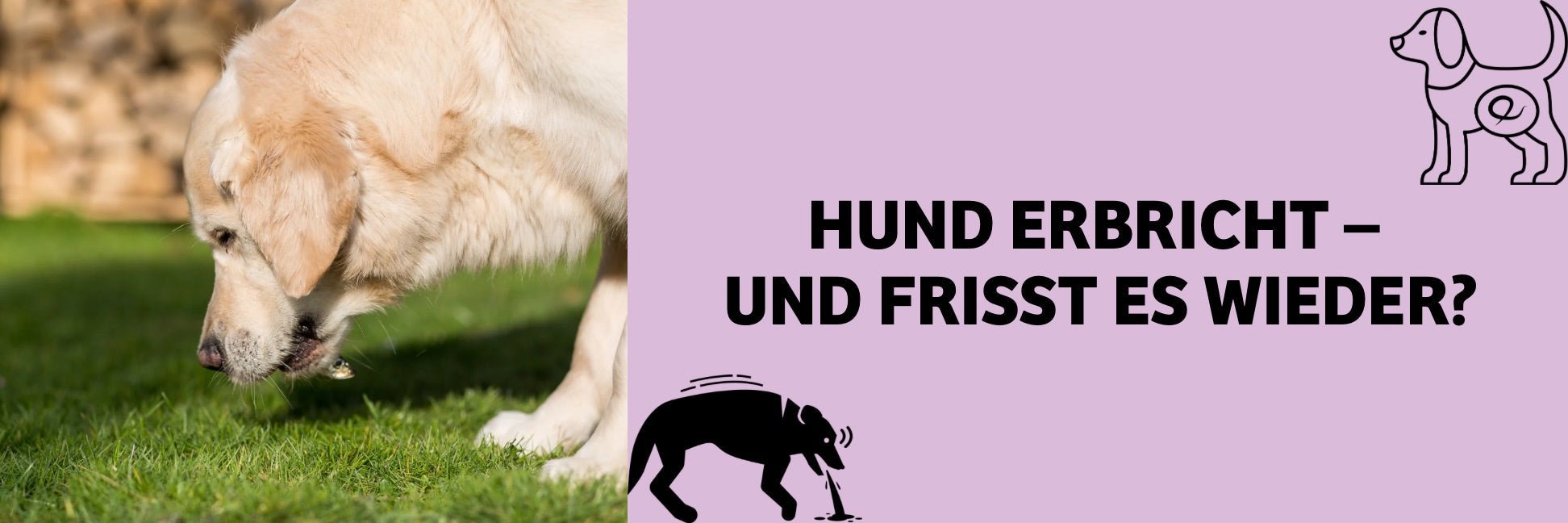
Dog eats vomit – harmless behavior or warning sign?