
Why Does My Dog Eat Poop? Causes, Risks and What Really Helps
Table of Contents
- Why Dogs Eat Poop
- What is Coprophagia?
- Main Causes of Coprophagia in Dogs
- Is Eating Poop Dangerous?
- Risks for Humans?
- What to Do About Coprophagia?
Why Dogs Eat Poop – and What You Can Do Immediately
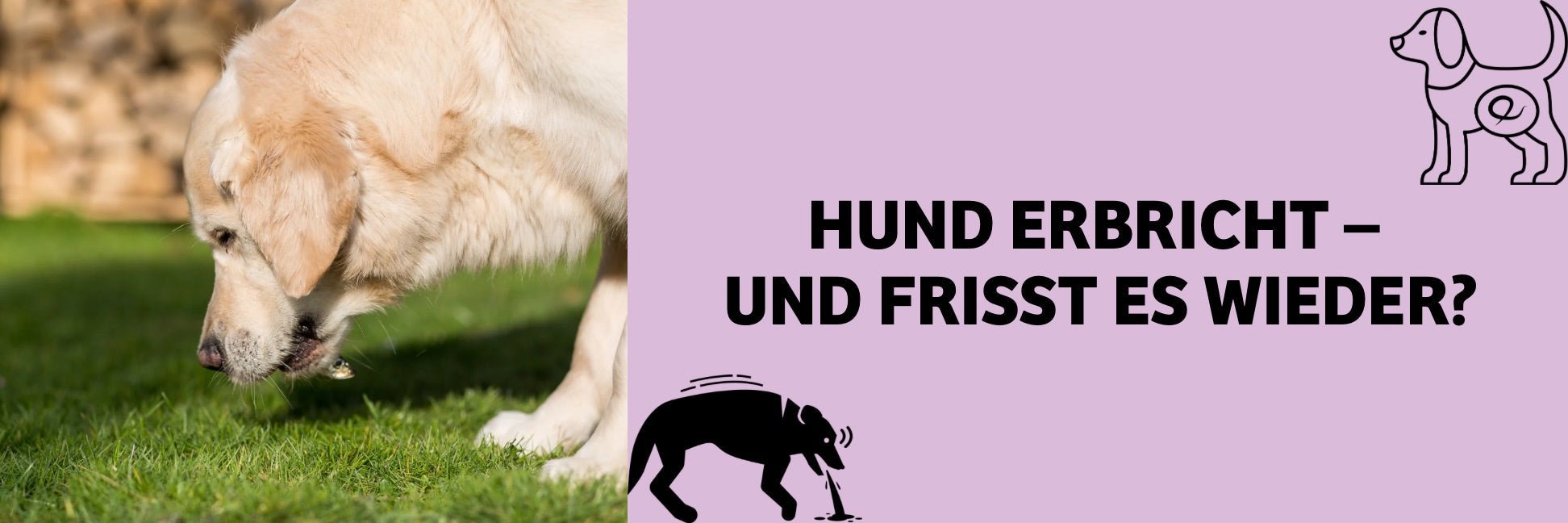
Dogs eating poop – medically known as coprophagia – is a shocking moment for many owners. But what seems repulsive to us is often completely normal for dogs. The most common cause is instinctive behavior or an unbalanced diet. In many cases, the problem can be quickly brought under control with a targeted change in food and clear guidance. In this article, learn what triggers are really behind coprophagia, when you need to act – and how you can help your dog from now on.

What is Coprophagia?
The term coprophagia describes the behavior of dogs eating their own poop or that of other animals. This behavior is more common than one might think – according to studies, up to 25% of all dogs show coprophagia at least occasionally. Whether a puppy, adult dog, or senior – all age groups are affected.
Main Causes of Coprophagia in Dogs
The reasons for dogs eating poop are varied – from natural instincts to malnutrition to psychological stress. Here’s an overview of the most common triggers:
- Instinctive behavior: Mother dogs eat their puppies' poop to keep the nest clean. Some dogs retain this behavior.
- Nutrient deficiencies: A lack of enzymes, vitamins, or minerals can trigger the behavior – the dog tries to "supplement" itself.
- Poorly digestible food: With low-quality or high-protein food, the poop still contains attractive nutrients – especially with cheap food or incorrect composition.
- Stress or boredom: Dogs that have little mental or physical activity compensate through unusual behavior – such as eating poop.
- Attention-seeking: Some dogs notice that eating poop elicits a strong reaction from humans – they repeat it deliberately.
- Parasites or digestive problems: Worm infestation, sensitive pancreatic dietary needs, or chronic intestinal irritation can also promote coprophagia.
Is Eating Poop Dangerous?
Yes – in certain cases, eating poop can lead to serious health problems. Especially if the dog ingests the feces of other animals, there is a risk of transmitting parasites, viruses, or bacteria. These include:
- Worms (roundworms, hookworms, tapeworms)
- Giardia
- Salmonella and other germs
- Infections from medications or residues in foreign feces
Risks for Humans?
The behavior can also pose a risk to humans – especially if the dog licks faces or seeks physical contact after eating poop. Theoretically, germs, parasite eggs, or bacterial pathogens can be transmitted through saliva.
Good hygiene, regular deworming, and avoiding poop contact are therefore essential – especially in households with children, elderly people, or immunocompromised individuals.

What to Do About Coprophagia?
Fortunately, there are proven strategies to successfully stop coprophagia – long-term and sustainably:
- Food analysis: Is there a nutrient deficiency? Does the food contain indigestible components? Our recommendation: easily digestible, balanced dog food.
- Strengthen digestion: Support gut flora with prebiotics and probiotics. Insect protein is also considered particularly gentle on the stomach and well-utilized.
- skin & coat support: Regular deworming, fecal examinations, and hygiene are mandatory.
- Training: Reward ignoring poop, train "leave it" commands, and, if necessary, work with a dog trainer.
- Activity: Mental and physical activity prevent frustration behavior. Brain games, food puzzles, and walks help.
Discover our stomach-friendly food varieties for healthy digestion and balanced behavior.