
Intestinal Obstruction in Dogs: Causes, Symptoms and Treatment
Table of Contents
- Intestinal Obstruction in Dogs – A Serious Threat
- Causes of Intestinal Obstruction
- Symptoms of Intestinal Obstruction
- How do I recognize an intestinal obstruction?
- Treatment of Intestinal Obstruction
- Prevention of Intestinal Obstruction
Intestinal Obstruction in Dogs – A Serious Threat
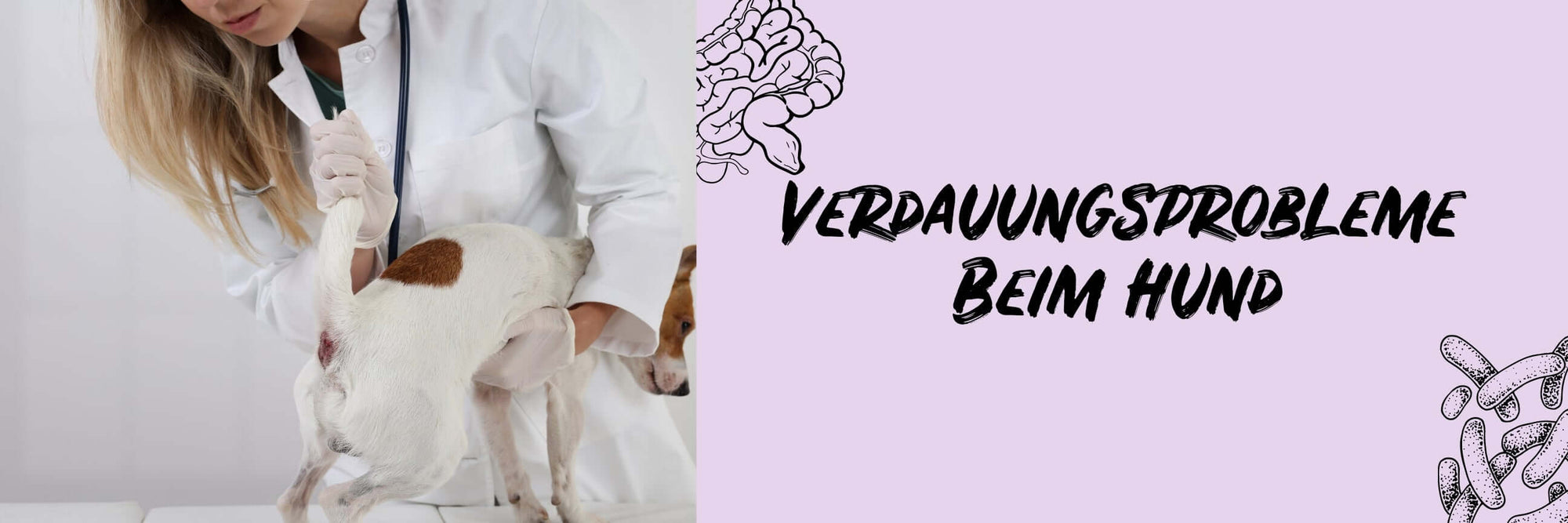
An intestinal obstruction, also known as "intestinal obstruction" or "ileus", occurs when the normal passage of digestive gases and food is blocked. This can be life-threatening and requires immediate veterinary attention. An intestinal obstruction in dogs is a medical emergency. However, many dog owners recognize the symptoms of intestinal obstruction in dogs too late.
Causes of Intestinal Obstruction
An intestinal obstruction in dogs can be caused by various factors, including:
- Foreign bodies: Swallowed objects such as bones, toys, or stones.
- Intestinal torsion: A sudden twist of the intestine can lead to a blockage.
- Tumors: Growths in the digestive tract can narrow the intestine.
- Parasites: A severe worm infestation can also cause an obstruction.
Symptoms of Intestinal Obstruction
An intestinal obstruction often manifests itself through the following signs:
- Vomiting: Frequent, repeated vomiting without success.
- Diarrhea or constipation: Sometimes the condition alternates, or the dog stops passing stool.
- Abdominal pain: The abdomen feels hard, and the dog shows discomfort.
- Loss of appetite: The dog refuses food.
- Dehydration: Due to fluid loss, the dog can become dehydrated.
- Weakness and lethargy: The dog is listless and sleepy.
How do I recognize an intestinal obstruction?
Early detection is crucial. If your dog shows several of the above symptoms, you should consult a veterinarian immediately. Diagnostic procedures such as X-rays or ultrasound help determine the cause.

Treatment of Intestinal Obstruction
The treatment of an intestinal obstruction usually takes place inpatient at the veterinary clinic and includes:
- Surgical intervention: Removal of the blocked intestinal segment.
- Fluid therapy: Stabilization of fluid and electrolyte balance.
- Pain therapy: Medication to relieve discomfort.
After treatment – Important measures
After surgery, an adapted diet is crucial. Your dog should rest and only receive easily digestible food.
Prevention of Intestinal Obstruction
You can prevent an intestinal obstruction by ensuring that your dog does not swallow dangerous objects. Regular veterinary examinations also help to identify potential risks early.
Conclusion: Intestinal Obstruction in Dogs
An intestinal obstruction is a serious condition that requires immediate attention. If you notice symptoms such as vomiting, abdominal pain, or loss of appetite, do not hesitate and consult a veterinarian. Quick action can save your dog's life.