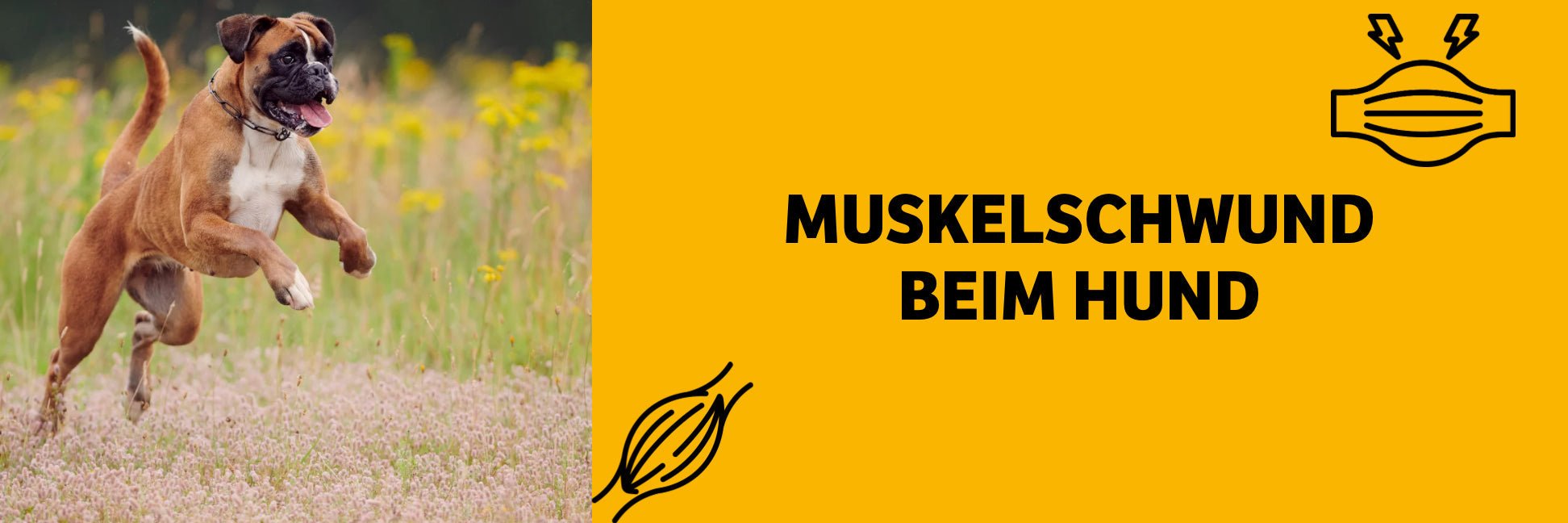

Optimal Nutrition for Active Dogs: Focus on Energy, Endurance, and Muscle Strength
Why the Right Nutrition is Crucial for Sporting Dogs
A sporting dog is no ordinary four-legged friend. It undergoes intensive training sessions, participates in competitions, or works in service – for example, as a rescue or search dog. These physical challenges mean that active dogs have a significantly higher need for energy, protein, and nutrients. But it's not just about performance: Regeneration, muscle building, and joint health must also be supported by the right dog food.

The Energy Requirements of Active Dogs
A dog with a high activity level not only burns more calories but also has a faster metabolism. Energy intake must therefore be adapted to the strain – both qualitatively and quantitatively. Highly digestible fats provide long-lasting energy, while proteins support muscle metabolism. The right composition of carbohydrates, fiber, and micronutrients is also important to prevent performance dips.
Muscle Building in Dogs: Not Without the Right Building Blocks
For targeted muscle building in dogs, high-quality protein is essential. However, not every protein source is equally digestible. Insect protein or lamb are particularly suitable as they are rich in essential amino acids. Supplemented with L-carnitine, zinc, and magnesium, they can specifically promote muscle development. Equally important: the regeneration phases after training – during this time, the body builds up what it has previously achieved.
These Nutrients are Needed by Sporting Dogs
For the dog to remain healthy and high-performing, its food should contain the following components:
- Insect protein or lamb – particularly digestible, supports muscle building and regeneration
- Omega-3 fatty acids – have anti-inflammatory effects and protect joints
- L-carnitine – improves fat burning in dogs and increases endurance performance
- Vitamin B complex – essential for nerve function and energy conversion
- Antioxidants like blueberry or turmeric – strengthen the immune system and protect cells
Feeding Before and After Training
The right feeding routine is just as important as the food composition. Before exercise, the dog should have at least a two-hour break after eating to avoid stomach torsion and digestive problems. Immediately after activity, a small, nutrient-rich snack is recommended to initiate the recovery phase. Fluid intake should not be underestimated – sufficient fresh water before, during, and after training is mandatory.

Long-term Nutrition for Performance and Well-being
A sporting dog needs a balanced diet throughout the year. Training-free periods are ideal for focusing on regenerative nutrients, while during peak phases, the focus is on energy and resilience. Depending on the activity level, it is worthwhile to flexibly adjust the food – e.g., in composition or food quantity.
Product Recommendation: EnergyWonder for Active Dogs
EnergyWonder was specially developed for active dogs who are challenged daily. It combines easily digestible insect protein with L-carnitine, superfoods, and valuable omega-3 fatty acids. Free from grains, sugar, and artificial additives, it provides a nutrient-rich basis for energy, endurance, and muscle health – before, during, and after training.
More on the topic:
Lethargy in Dogs – When Energy is Lacking