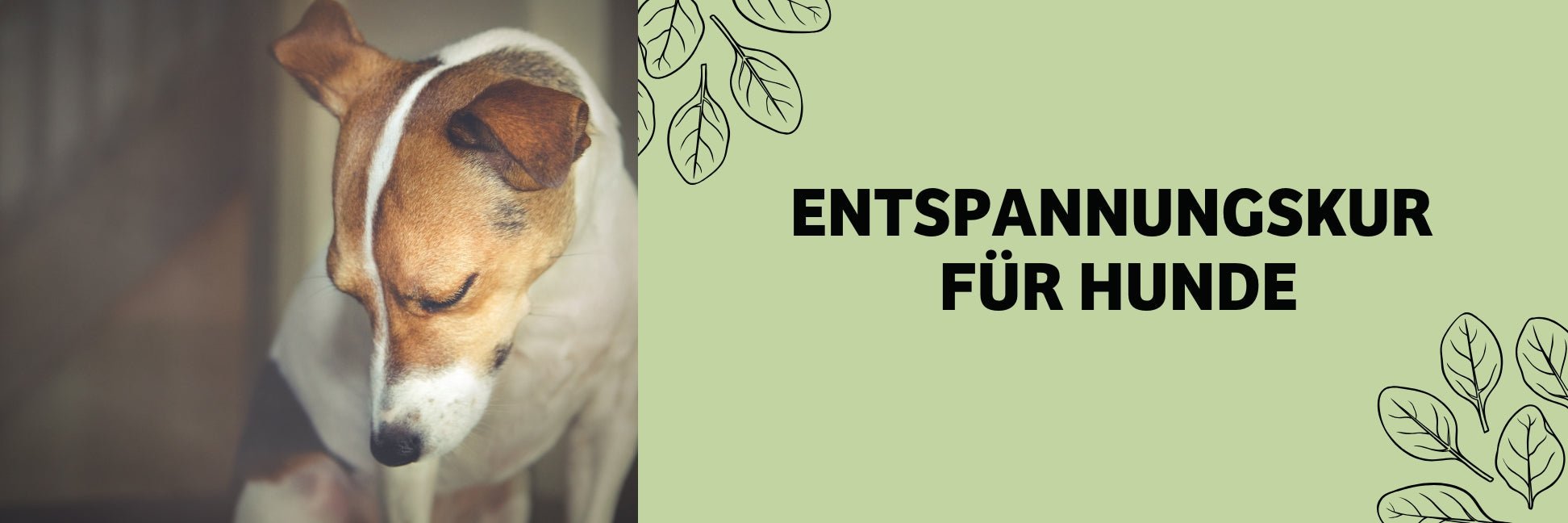

Recognizing and Reducing Stress and Anxiety in Dogs
Table of Contents
- Signs of Stress in Dogs
- Common Causes of Stress and Anxiety
- Role of Training in Stress Management
- Methods for Stress Reduction
- Nutrition and Supplements
- How BugBell Can Help
Signs of Stress in Dogs
A stressed dog can show various symptoms. The most common include:
- Withdrawal and cowering
- Ears flattened and trembling
- Restlessness and panting
- Vomiting and diarrhea
- Destroying objects
- Weight loss and excessive licking
Common Causes of Stress and Anxiety
Dogs react differently to certain situations. Here are some common stress triggers:
- Sudden changes (moving, new pets, new family members)
- Being alone and separation anxiety
- Accidents or negative experiences
- Fireworks and loud noises
- Unclear training and uncertainty
Role of Training in Stress Management
A dog that is socialized early develops fewer fears. The following measures are helpful:
- Positive reinforcement (praise and reward instead of punishment)
- Early habituation to everyday stimuli (car rides, noises, other dogs)
- For traumatic experiences, professional support from dog trainers
Methods for Stress Reduction
There are many ways to reduce stress in dogs:
- Create calm retreats
- Offer long-lasting chew toys
- Regular exercise and relaxed walks
- Minimize stress-inducing stimuli
- Mental stimulation (e.g., puzzle toys)
Nutrition and Supplements
Nutrition influences your dog's stress level. The following nutrients can help:
- Valerian: Calms and promotes relaxation
- L-Tryptophan: Supports serotonin production
- Omega-3 fatty acids: Promote a stable nervous system
How BugBell Can Help
Our specially developed Grass Green Relaxation with spinach, hemp and medicinal herbs supports your dog in stress management and inner peace.