
Cystine Stones in Dogs: Diet and Food to Prevent Cystine Stone Formation
Table of Contents:
- Symptoms and Diagnosis of Cystine Stones in Dogs
- Types of Urinary Stones in Dogs
- Feeding to Reduce Cystine Stone Formation
- BugBell HighSensitive: Dog Food for Cystine Stones
Symptoms and Diagnosis of Cystine Stones in Dogs
Urinary stones in dogs – whether calcium oxalate stones or cystine stones – can go unnoticed for a long time. Common symptoms of urinary stones include:
- Frequent urination in small amounts
- Pain during urination (the dog yelps or hesitates when relieving itself)
- Blood in the urine (hematuria)
- Incontinence or sudden urge to urinate
- Increased licking of the genital area
- Colicky abdominal pain with blocked urinary tracts
Diagnosis is usually made through:
- Urine analysis (pH value, crystals, blood, bacteria)
- Ultrasound or X-ray to visualize the stones
- Stone analysis after removal to precisely determine its composition
Important: The therapeutic and nutritional approach differs depending on the type of stone.
In dogs, urinary stones are more common than thought – particularly cystine stones represent a persistent burden for many animals. However, through targeted nutritional adjustment, the risk of these stone formations can be significantly reduced. It is important to monitor the urine pH value and ensure a balanced intake of certain minerals.

Types of Urinary Stones in Dogs
Urinary stones can have different causes depending on their composition. The most important forms:
- Struvite stones: form in an alkaline environment (pH > 7), bacterial cause, urine-acidifying diet recommended
- Calcium oxalate stones: form in an acidic environment (pH < 6.5), cannot be dissolved, urine-alkalizing feeding recommended
- Urate stones: genetic, e.g., in Dalmatians, low-purine diet necessary
- Cystine stones: genetic, especially in male dogs, protein-reduced and urine-alkalizing diet useful
Feeding to Reduce Cystine Stone Formation
Cystine stones in dogs are caused by a genetic defect in amino acid metabolism. The goal is to reduce the intake of sulcoat-containing amino acids such as cysteine and methionine and to alkalinize the urine.
Recommended guidelines according to EU regulation:
- Crude protein ≤ 160 g/kg (or ≤ 220 g/kg with a suitable protein source with low cysteine content)
- Protein with low cysteine and methionine (e.g., insect, pea, soy, casein protein)
- Urine-alkalizing substances such as potassium citrate or magnesium citrate
- Target urine pH value of over 7
🟥 Acidifying minerals (to be avoided):
- Phosphorus
- Chloride
- Methionine
- Cysteine
- Sulcoat: missing in some feeds, but generally strongly acidifying
An alkalizing, protein-reduced diet is essential to minimize the risk of recurrence in cystinuria.
BugBell: Dog Food for Cystine Stones
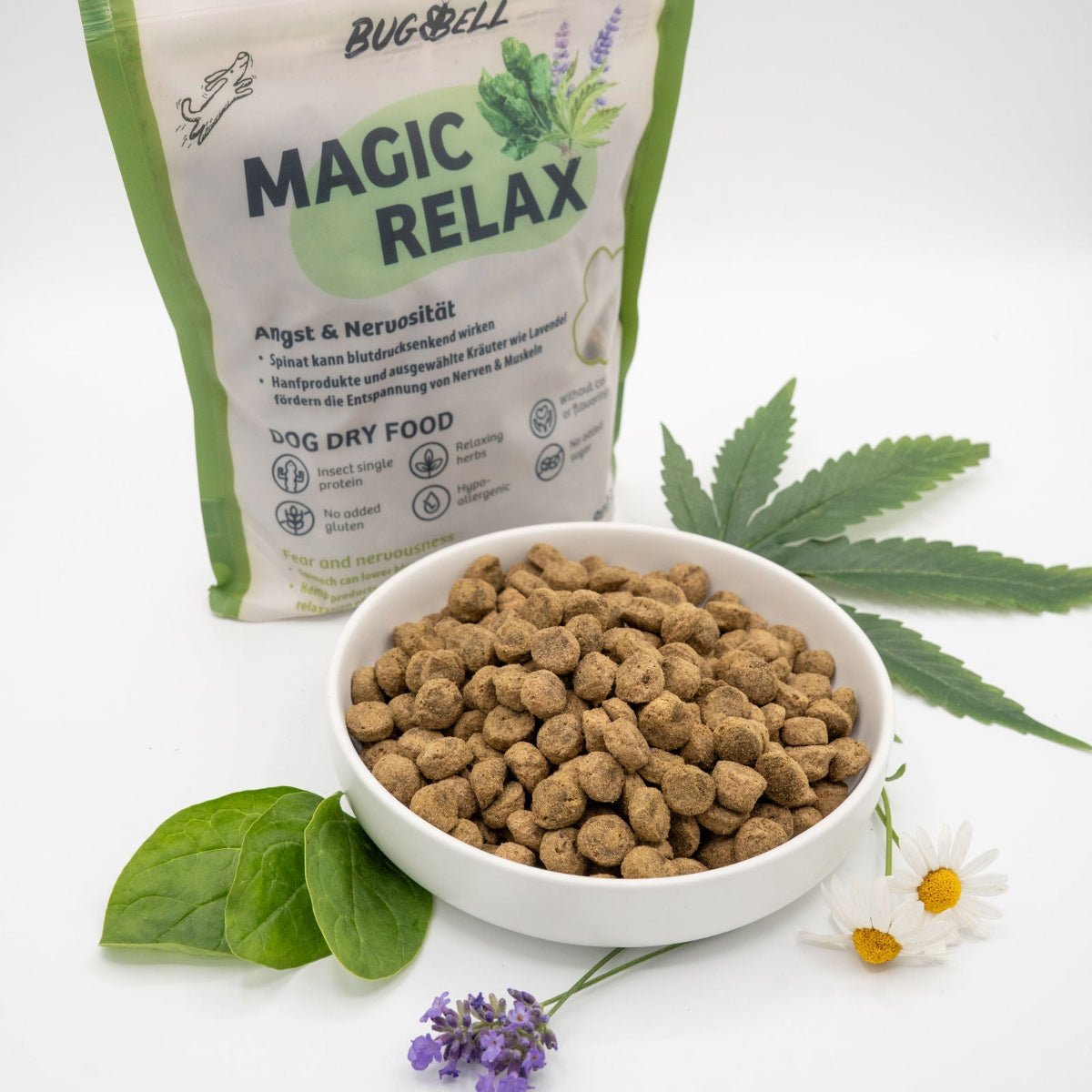
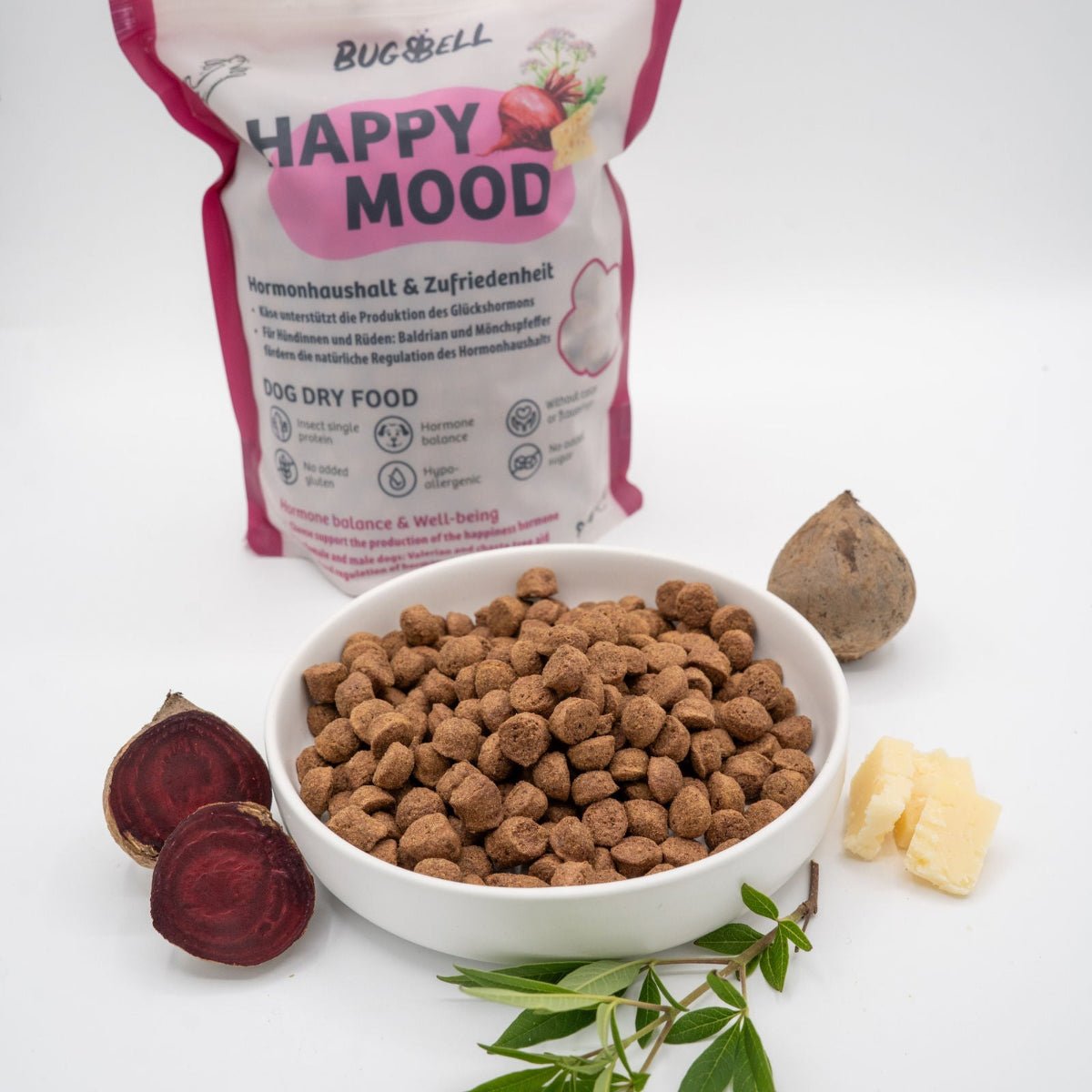
A few products from BugBell comply with all measures for reducing cystine stone formation according to the dietetic feed law. The recipes are based on current nutritional recommendations:
- Reduced crude protein content (highly digestible insect source)
- Insect protein with low cysteine content
- Urine-alkalizing formula for pH stabilization (above pH 7)
Note: Our products are complete feeds with a precisely coordinated composition for nutritional support for urinary stone problems in dogs. They do not replace veterinary treatment.
Dog Food at Kidney stones / Cystine stones
Please note: Our products can contribute to nutritional support, but they are not cures. Please always seek professional veterinary advice if your dog has health problems.