IBD in Dogs: Symptoms, Causes, and Nutrition
IBD in dogs (IBD / Inflammatory Bowel Disease) is a chronic intestinal inflammation that often causes symptoms such as diarrhea, vomiting, weight loss, and loss of appetite. The disease is considered incurable, but in many cases, it can be successfully managed with the right nutrition, well-tolerated IBD dog food, and veterinary treatment.
This article was written by a canine nutrition expert and is for general information purposes only. It does not replace a veterinary diagnosis or individual treatment recommendation.
Table of Contents
- What is IBD in dogs?
- Functions of the intestinal lining in dogs
- IBD vs. Crohn's disease in dogs – what's the difference?
- Causes of IBD in dogs
- Recognizing IBD symptoms in dogs
- Diagnosis: How is IBD diagnosed in dogs?
- Nutrition for IBD in dogs – what really matters
- Key nutrients for IBD dog food at a glance
- Other intestinal diseases: Colitis and Enteritis in dogs
- Treatment and therapy for IBD in dogs
- Prognosis and life expectancy with IBD
- The end stage of IBD in dogs
- Frequently Asked Questions about IBD in dogs (FAQ)
- Scientific Sources and Evidence
What is IBD in Dogs?
IBD in dogs (IBD / Inflammatory Bowel Disease) is a chronic inflammation of the intestinal lining that is not caused by a single identifiable pathogen. Instead, the immune system reacts persistently and abnormally to antigens in the intestines – whether they are food components, intestinal bacteria, or the body's own structures.
The disease typically progresses in flares: phases with pronounced symptoms alternate with largely symptom-free periods. If left untreated, IBD can spread to other organs – such as the pancreas (exocrine sensitive pancreatic dietary needs, EPI) or the liver – and significantly reduce the dog's life expectancy. With individually adapted therapy and a diet tailored to the disease, the lives of many affected dogs can be significantly improved.

Functions of the Intestinal Lining in Dogs
To understand why IBD has such far-reaching consequences, it is worth looking at the functions of a healthy intestinal lining:
- Nutrient and water absorption: The small intestine is the main site for the absorption of vitamins, minerals, amino acids, fatty acids, and carbohydrates.
- Immunological barrier: Over 70% of a dog's immune system is located in the intestines (GALT – Gut-Associated Lymphoid Tissue). An intact mucous membrane prevents pathogens and toxins from entering the bloodstream.
- Protection against pathogens: Mucus (mucin) and specialized epithelial cells form a physical barrier against pathogens.
- Regulation of gut flora: The mucous membrane actively influences the composition of intestinal bacteria (microbiome).
In a dog with IBD, this protective function is disrupted: The intestinal villi can be flattened, the absorption surface is reduced, and nutrients are absorbed less effectively. At the same time, more inflammatory messengers (cytokines) are released, which coatther drives the inflammatory spiral.
IBD vs. Crohn's Disease in Dogs – What's the Difference?
IBD in dogs is functionally comparable to Crohn's disease and ulcerative colitis in humans – all are chronic IBD / Inflammatory Bowel Diseases of unknown cause. However, there are important differences:
| Feature | IBD in Dogs | Crohn's Disease (Humans) |
|---|---|---|
| Affected Area | Mostly small or large intestine | Entire digestive tract possible |
| Depth of Inflammation | Predominantly mucosal surface | Often all layers of the wall affected |
| Curability | Not curable, treatable | Not curable, treatable |
| Role of Nutrition | Central pillar of treatment | Complementary to drug therapy |
Causes of IBD in Dogs
The exact causes of IBD are not yet fully understood. Current research suggests that it is a multifactorial process – meaning the interaction of several factors:
- Genetic predisposition: Certain breeds are more frequently affected, including German Shepherds, Boxers, Shar-Peis, Yorkshire Terriers, and Irish Setters. This indicates a hereditary component.
- Dysbiosis of the gut microbiome: An imbalance of the gut flora – such as an overgrowth of pro-inflammatory bacterial strains – appears to play an important role.
- Food antigens and food sensitivities: Proteins such as beef, wheat, soy, or milk can trigger immunological reactions in sensitive dogs.
- Misdirected immune response: The immune system overreacts to otherwise harmless components in the intestine.
- Stress: Chronic stress can weaken the gut barrier function via the gut-brain axis and promote inflammatory flares.
- Previous infections: Parasites or bacterial infections can lay the groundwork for a chronic inflammatory reaction.
Recognizing IBD Symptoms in Dogs
The symptoms of IBD overlap with those of other intestinal diseases, making diagnosis difficult. Typical signs include:
- Chronic or recurrent diarrhea, often with mucus or blood
- Vomiting, sometimes with bile
- Persistent weight loss despite adequate food intake
- Abdominal pain (the dog is sensitive to touch on the abdomen)
- Loss of appetite or highly fluctuating appetite
- Pronounced fatigue and reduced stamina
- Flatulence and audible bowel sounds (borborygmi)
- Bloated abdomen due to protein loss (hypoalbuminemia)
- Dull coat and poor general condition due to persistent nutrient deficiency
Symptoms can occur in flares. In severe cases, IBD can be life-threatening.

Diagnosis: How is IBD Diagnosed in Dogs?
Since there is no single test that definitively proves IBD, the diagnosis is usually made as a diagnosis of exclusion. The veterinarian first rules out all other diseases that can cause similar symptoms (e.g., parasites, bacterial infections, exocrine sensitive pancreatic dietary needs, intestinal lymphoma).
Typical diagnostic measures:
- Blood test: Albumin, cobalamin (vitamin B12), folic acid, CRP, differential blood count
- Stool examination: Parasites, bacterial cultures, consistency, and blood content
- Urine examination: Exclusion of systemic concomitant diseases
- Ultrasound and/or X-ray: Assessment of bowel wall thickness and organ structure
- Endoscopy with biopsy: Gold standard – histological examination of tissue samples for precise classification of IBD
Nutrition for IBD in Dogs – What Really Matters
Nutrition is one of the most important therapeutic measures for IBD and can significantly help to reduce inflammatory flares and sustainably relieve the intestines. An incorrectly composed diet, on the other hand, can significantly worsen symptoms.
Basic Principles of IBD Nutrition in Dogs
- Elimination diet / exclusion diet: Initially, a strict exclusion diet should be carried out for 8–12 weeks. All previous protein sources are eliminated and replaced with a novel or hydrolyzed protein source that the dog has not yet been exposed to.
- Monoprotein food: Only a single protein source reduces the risk of immunological reactions. Rare or novel proteins such as insect protein are particularly suitable.
- Easily digestible carbohydrates: Starches such as tapioca, potato, or white rice are better tolerated than wheat or corn and put less strain on the damaged intestine.
- Reduced-fat recipes: Fat slows gastric emptying and can burden the pancreas. For IBD, a moderate to low fat content (under 12% in dry matter) is recommended.
- Small, frequent meals: Several small portions daily are gentler on the intestines than two large meals.
- Consistency is crucial: During the exclusion diet, only the food components of the diet may be fed – no cheese, no sausage, no conventional chews.
Why Insect Protein Can Be Particularly Suitable for IBD
Insect protein – for example, from the Black Soldier Fly (Hermetia illucens) – is considered a novel protein that most dogs have not yet encountered in their previous feeding history. This makes it a sensible option for exclusion diets. In addition, insect protein has a high biological value and naturally contains lauric acid, a medium-chain fatty acid with anti-inflammatory potential.
Key Nutrients for IBD Dog Food at a Glance
For IBD, certain nutrients are particularly relevant – either because they are often lost during the illness or because they can support intestinal health:
| Nutrient | Significance in IBD | Note |
|---|---|---|
| Cobalamin (Vitamin B12) | Often insufficiently absorbed in the diseased ileum; a deficiency can promote nerve damage and anemia | Often requires separate injection or supplement |
| Folic Acid | Absorption disorders in the jejunum can lead to folic acid deficiency | Blood test recommended for control |
| Potassium and Sodium | Persistent diarrhea and vomiting lead to significant electrolyte loss | Increased content in food can compensate for losses |
| Omega-3 Fatty Acids (EPA/DHA) | Can modulate inflammatory processes in the intestines; EPA and DHA compete with arachidonic acid for inflammatory mediators | Fish oil or algae oil as a supplement is useful |
| Prebiotics (soluble fiber) | Promote beneficial gut bacteria; short-chain fatty acids from fermentation can strengthen the intestinal barrier | Inulin, FOS, or psyllium husks in small amounts |
| Probiotics | Can help to rebalance a disturbed gut flora | Use only after consulting the veterinarian |
| Zinc | Important for regeneration of the intestinal lining and healthy immune function; often deficient in absorption disorders | Ensure adequate supply in food |
| Protein – Quality over Quantity | Highly digestible protein relieves the intestines; for protein-losing enteropathy, an adjusted protein amount may be useful | Always determine in consultation with the veterinarian |
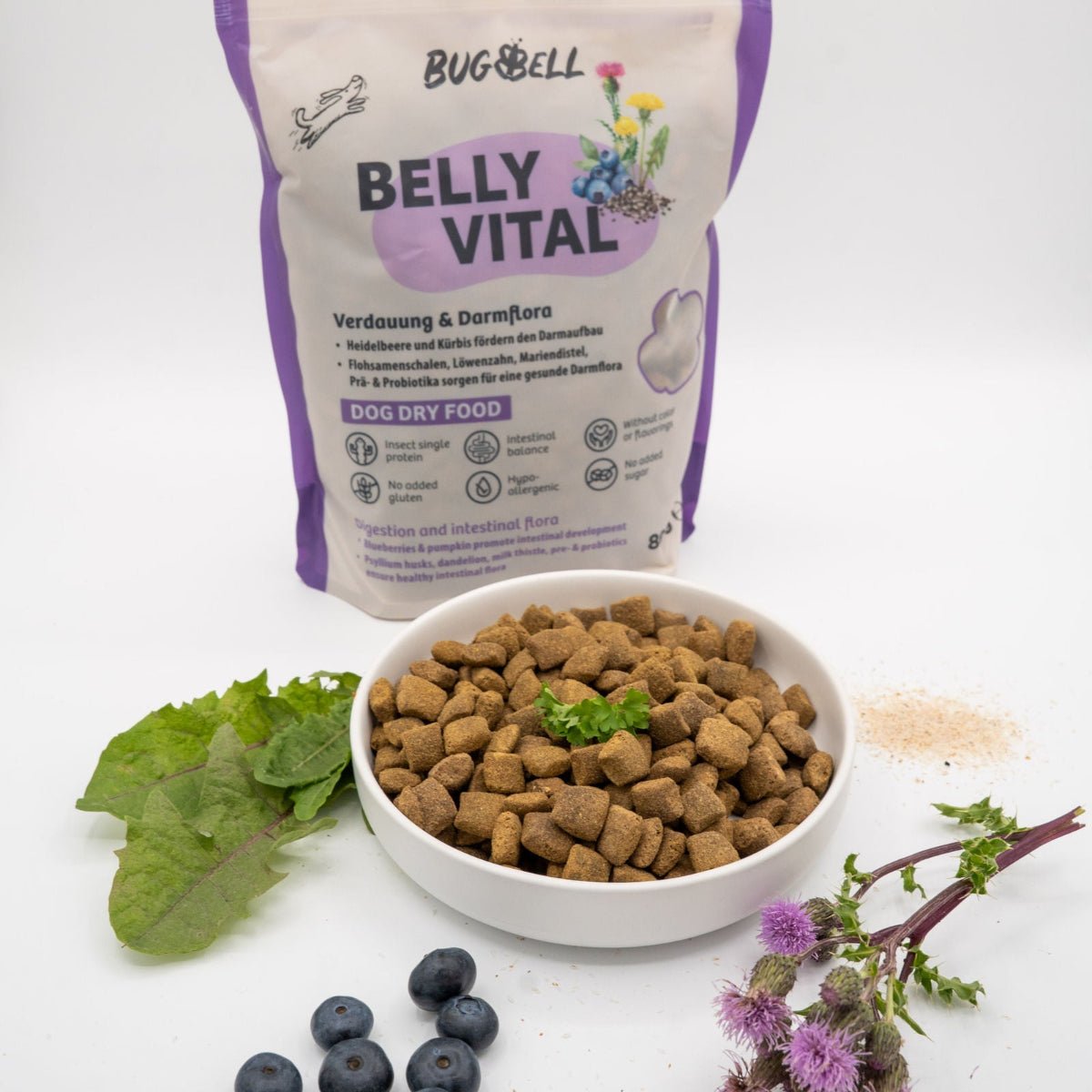
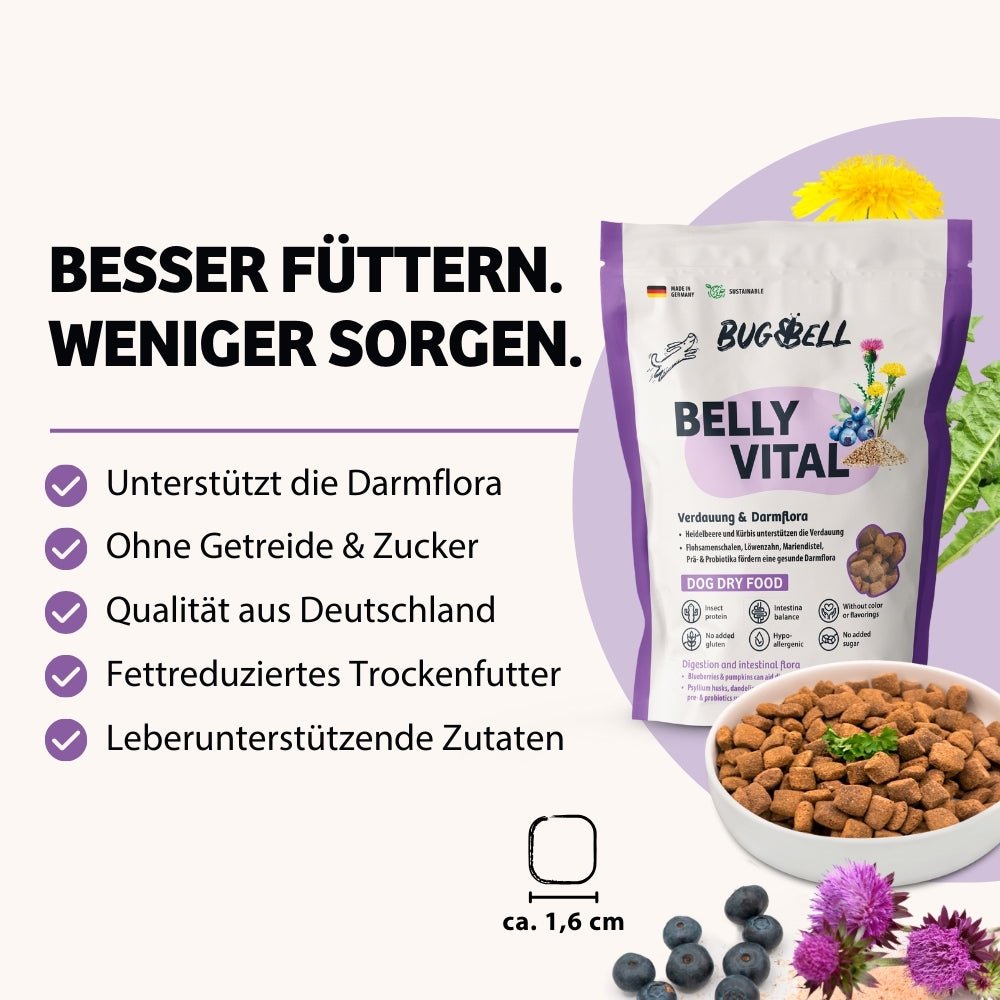
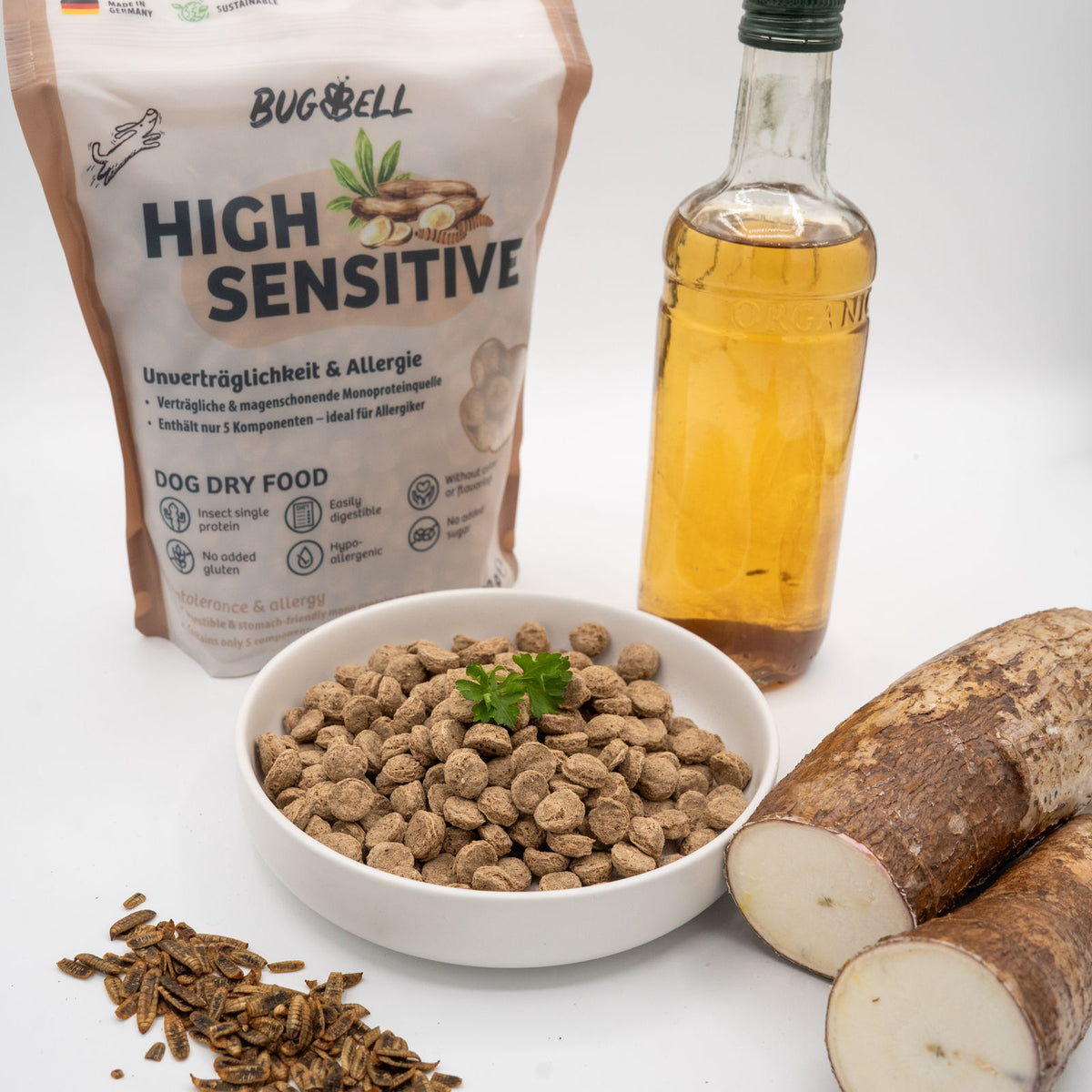
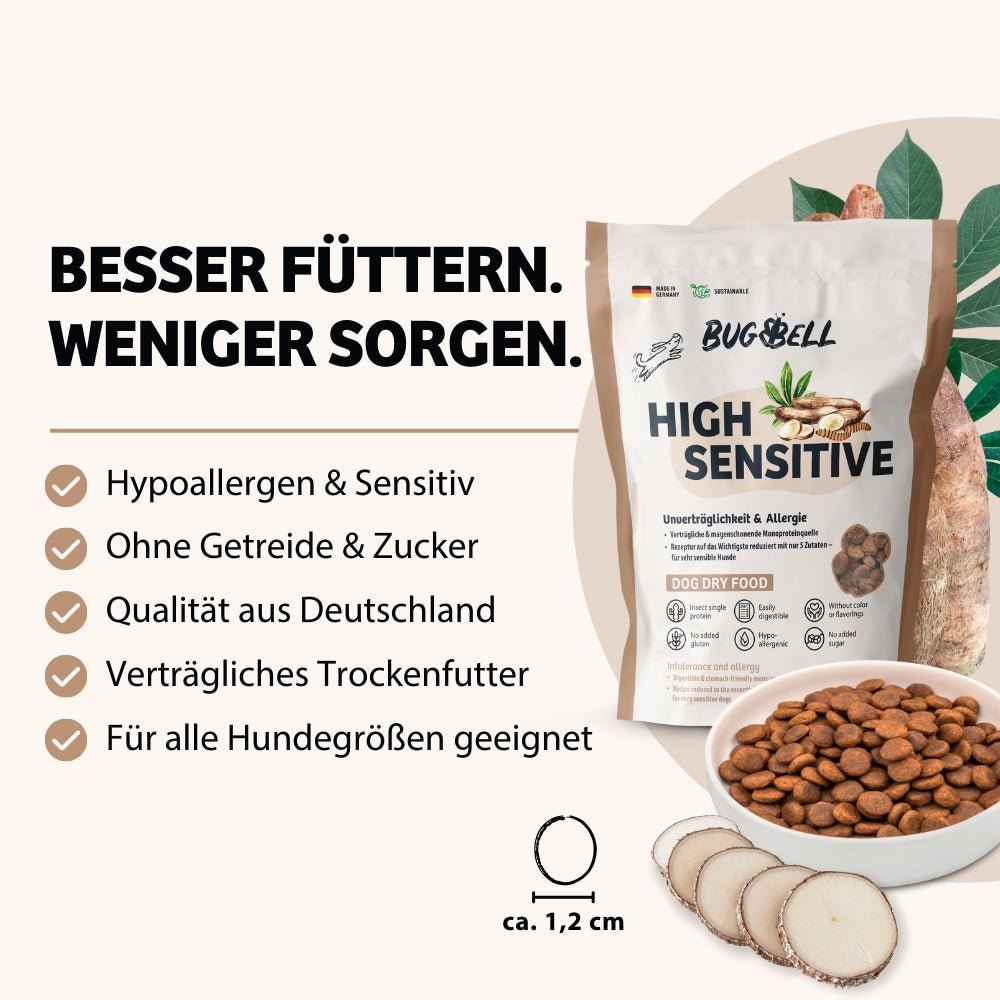
Recommendation: BugBell HighSensitive or BellyVital
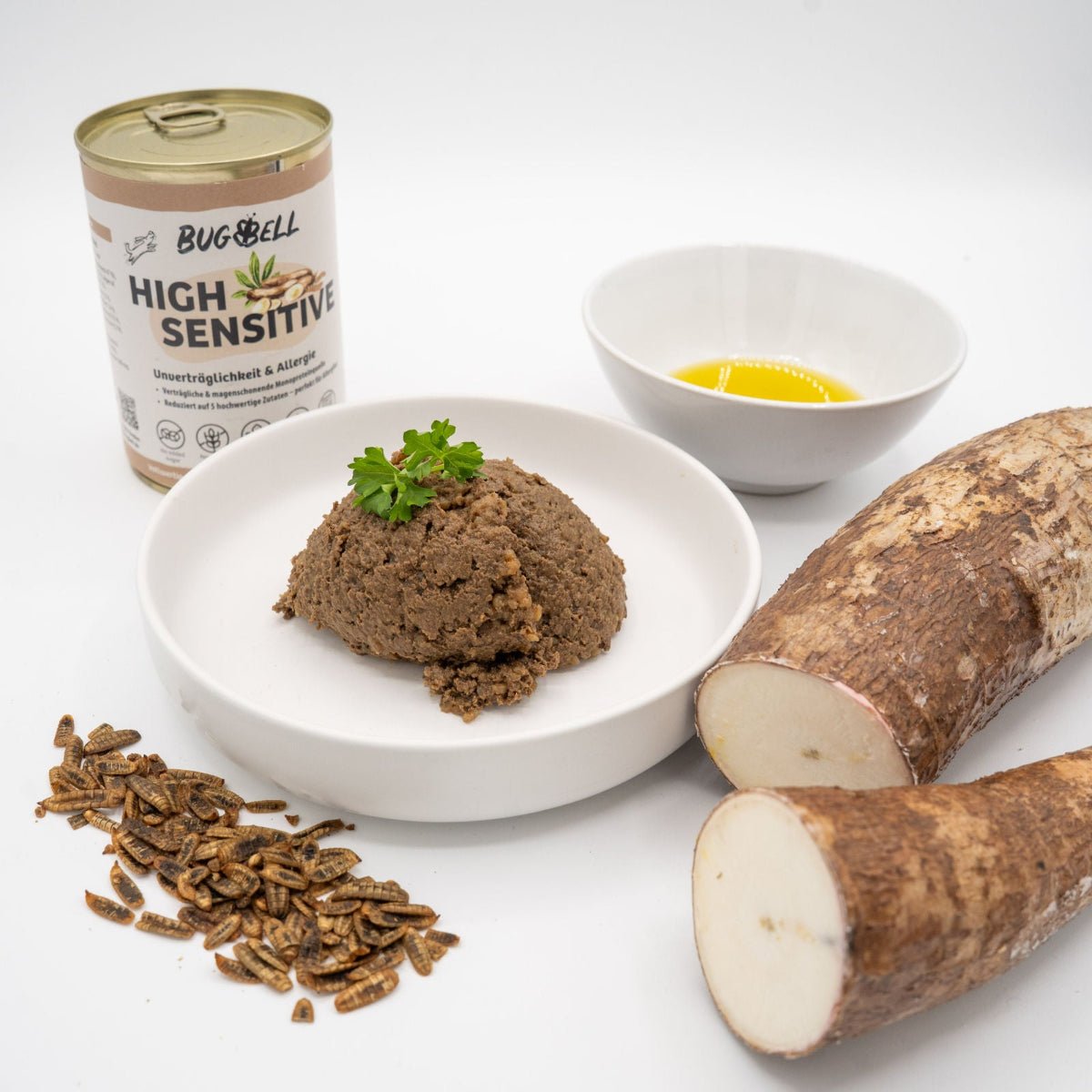
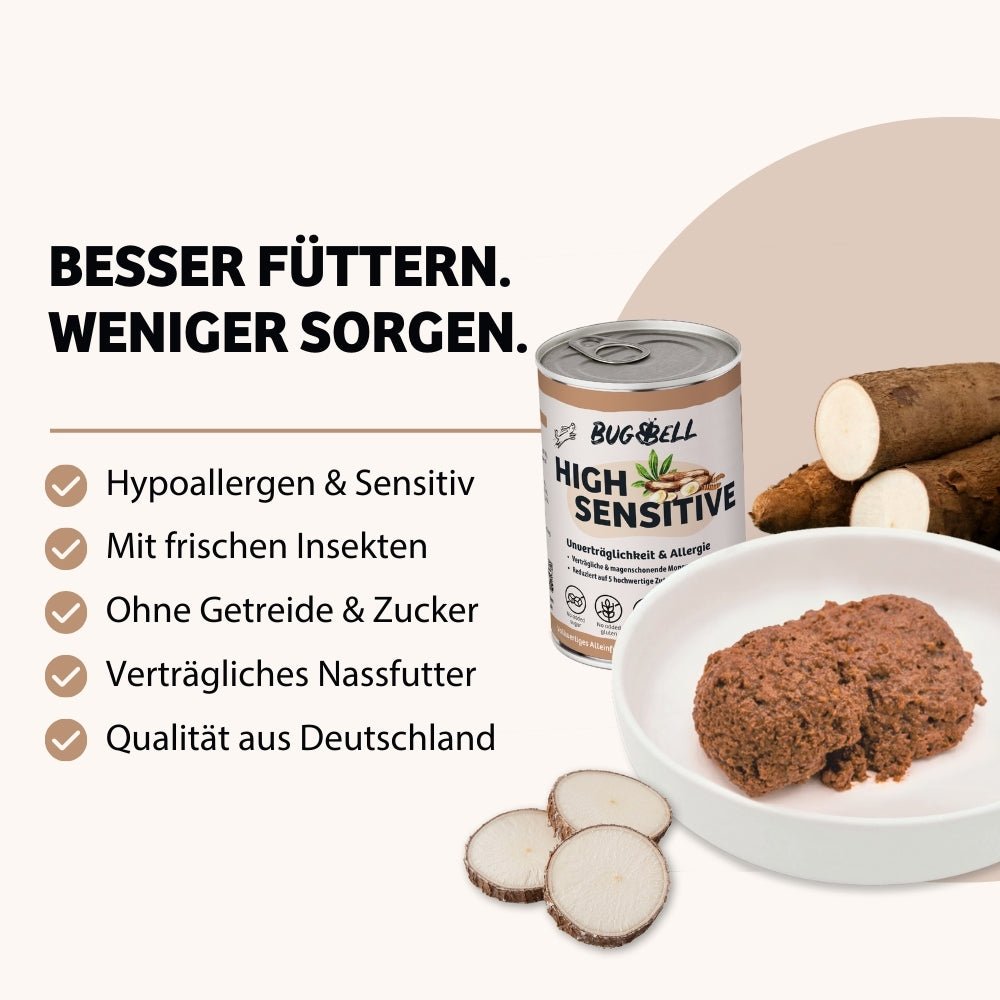
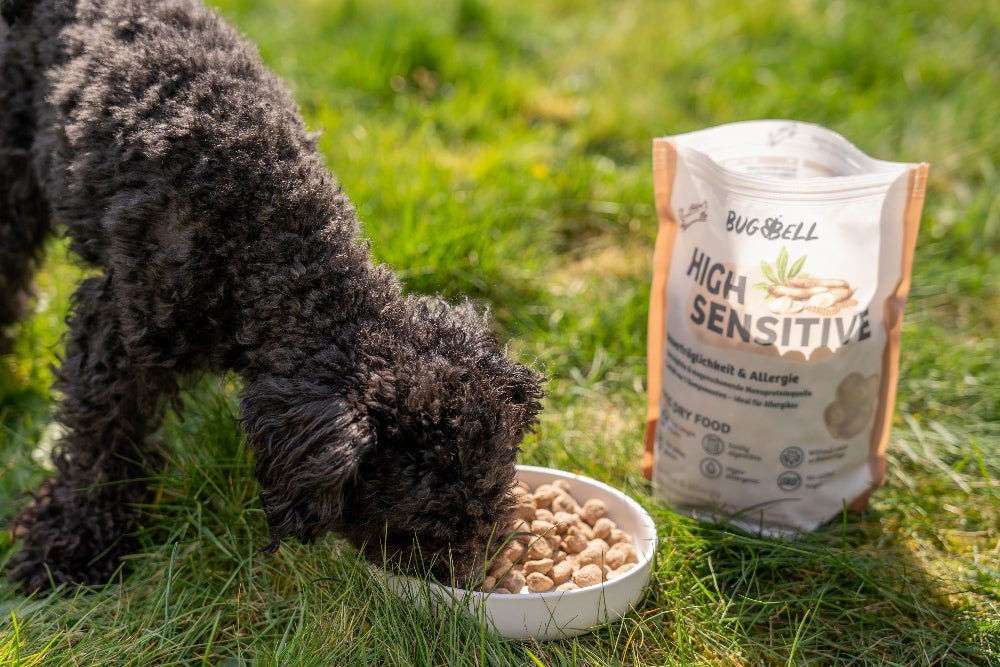
For dogs with sensitive gastrointestinal tracts or diagnosed IBD, BugBell HighSensitive is a suitable food option due to its minimalist and well-tolerated recipe – always in consultation with the treating veterinarian. BugBell BellyVital Dry dog food is also suitable, as its very low-fat composition is advantageous.
Advantages at a glance:
-
HighSensitive: Minimalist recipe based on tapioca and insect protein
-
BellyVital: Very low-fat recipes based on tapioca and quinoa
-
Novel, hypoallergenic protein source – suitable for elimination diets
-
Easily digestible due to carefully selected ingredients
-
Contains increased amounts of potassium and sodium to compensate for possible electrolyte losses
-
Can also be used in cases of co-occurring kidney disease
Scientific Sources and Evidence
- Jergens AE, Schreiner CA, Frank DE, Niyo Y, Ahrens FE, Eckersall PD, Benson TJ, Evans R. A scoring index for disease activity in canine IBD / Inflammatory Bowel Disease. J Vet Intern Med. 2003;17(3):291–297. – Prospective study of 58 IBD dogs and 9 healthy controls: development and validation of the Canine IBD / Inflammatory Bowel Disease Activity Index (CIBDAI); strong correlation (r = 0.82) between CIBDAI and histological and serological inflammatory markers (CRP, haptoglobin); the CIBDAI has since been the standard tool for assessing IBD activity.
- Jergens AE, Simpson KW. IBD / Inflammatory Bowel Disease in veterinary veterinary medicine. Front Biosci (Elite Ed). 2012;4(4):1404–1419. – Comprehensive review: IBD in dogs is an idiopathic, immune-mediated chronic IBD / Inflammatory Bowel Disease; the interaction of genetic factors, commensal gut flora, and a dysregulated immune system is considered the central pathogenetic principle; scientific comparison between human Crohn's disease/ulcerative colitis and canine IBD.
- Simpson KW, Jergens AE. Pitfalls and progress in the diagnosis and management of canine IBD / Inflammatory Bowel Disease. Vet Clin North Am Small Anim Pract. 2011;41(2):381–398. – Overview of diagnosis and therapy of canine IBD: discussion of genetic susceptibility of breed-specific dog breeds (including German Shepherds, Shar-Peis, Weimaraners), significance of histological WSAVA criteria for classification of inflammation type, and standardized therapy approaches from dietary exclusion diets to immunosuppression.
- Allenspach K, Wieland B, Gröne A, Gaschen F. Chronic enteropathies in dogs: evaluation of risk factors for negative outcome. J Vet Intern Med. 2007;21(4):700–708. – Prospective study of 70 dogs with chronic enteropathy (food-responsive, steroid-responsive, protein-losing enteropathy): Low serum albumin and a high CIBDAI score at diagnosis were the strongest predictors of a negative outcome (euthanasia); basis for the Canine Chronic Enteropathy Clinical Activity Index (CCECAI).
- Washabau RJ, Day MJ, Willard MD, Hall EJ, Jergens AE, Mansell J et al. (WSAVA International Gastrointestinal Standardization Group). Endoscopic, biopsy, and histopathologic guidelines for the evaluation of gastrointestinal inflammation in companion animals. J Vet Intern Med. 2010;24(1):10–26. – International WSAVA Guidelines: standardized criteria for endoscopy, biopsy collection and histopathological evaluation in dogs and cats with suspected IBD; endoscopic tissue sampling with histological classification is considered the gold standard for IBD diagnosis.
- Toresson L, Steiner JM, Suchodolski JS, Spillmann T. Oral cobalamin supplementation in dogs with chronic enteropathies and hypocobalaminemia. J Vet Intern Med. 2016;30(1):101–107. – Retrospective study of 51 dogs with chronic enteropathy and cobalamin deficiency: Oral cobalamin supplementation normalized serum levels in 94% of dogs; cobalamin deficiency occurred in 6–73% of dogs with chronic enteropathies and is considered a negative prognostic factor.
- Suchodolski JS, Markel ME, Garcia-Mazcorro JF, Unterer S, Heilmann RM, Dowd SE et al. The fecal microbiome in dogs with acute diarrhea and idiopathic IBD / Inflammatory Bowel Disease. PLoS ONE. 2012;7(12):e51907. – Detection of significantly reduced microbial diversity and decreased proportions of Faecalibacterium, Blautia, and Ruminococcus in IBD dogs compared to healthy controls; demonstrates the pathogenetic importance of intestinal dysbiosis and the need for microbiome-stabilizing dietary measures in canine IBD.
- Jergens AE, Crandell J, Morrison JA, Deitz K, Pressel M, Ackermann M, Suchodolski JS, Steiner JM, Evans R. Comparison of oral prednisone and prednisone combined with metronidazole for induction therapy of canine IBD / Inflammatory Bowel Disease: a randomized-controlled trial. J Vet Intern Med. 2010;24(2):269–277. – Randomized controlled trial: Prednisolone alone was as effective as the combination of prednisolone and metronidazole in the induction therapy of canine IBD; no statistically significant advantage of combination therapy in the acute phase – argument for targeted, conservative use of antibiotics in IBD.
- Pilla R, Suchodolski JS. The gut microbiome of dogs and cats, and the influence of diet. Vet Clin North Am Small Anim Pract. 2021;51(3):605–621. – Review article with data from the validated canine dysbiosis index (DI): dietary changes alone lead to moderate changes in the microbiome, which must be maintained long-term for a lasting effect; a highly digestible, fiber-rich diet as well as prebiotics and probiotics can increase the production of short-chain fatty acids (SCFA) and strengthen the intestinal barrier – central arguments for nutrition-based long-term therapy in IBD.
Dog Food at IBD / IBD / Inflammatory Bowel Disease
Please note: Our products can contribute to nutritional support, but they are not cures. Please always seek professional veterinary advice if your dog has health problems.