
Clostridia in Dogs: Symptoms, Causes, and Treatment
Clostridia in dogs are bacteria that naturally occur in the gut, but if they overgrow, they can produce dangerous toxins and trigger clostridiosis. The disease primarily manifests as bloody diarrhea, vomiting, and severe abdominal pain. With the right diet, highly digestible dog food, and veterinary treatment, it can be well managed and controlled long-term in most cases.
This article was written by a dog nutrition expert and is for general information purposes only. It does not replace a veterinary diagnosis or individual treatment recommendation.

Table of Contents
- What are clostridia in dogs?
- Clostridium perfringens and Clostridium difficile in dogs
- How does clostridiosis develop?
- Causes and risk factors for clostridia in dogs
- Recognizing symptoms of clostridiosis in dogs
- Diagnosis: How are clostridia detected in dogs?
- Diet for clostridia – which food is suitable?
- Key nutrients for clostridiosis at a glance
- Treatment and therapy for clostridiosis in dogs
- Recurrent clostridia – what to do in case of chronic progression?
- Prognosis and course of clostridiosis
- Frequently Asked Questions about Clostridia in Dogs (FAQ)
- Scientific Sources and References
What are clostridia in dogs?
Clostridia (singular: Clostridium) are gram-positive, spore-forming bacteria widely distributed in the environment – in soil, water, and the intestinal tract of animals and humans. In healthy dogs, they occur as a natural component of the gut flora in small amounts, causing no harm.
The problem arises when clostridia multiply uncontrollably and produce enterotoxins (intestinal toxins). These toxins damage the intestinal lining, disrupt the gut's barrier function, and trigger the disease known as clostridiosis. Because clostridia form heat-resistant spores, they can survive in the environment for years, making them particularly difficult to combat.

Clostridium perfringens and Clostridium difficile in dogs
In dogs, two Clostridium species are particularly clinically relevant:
| Characteristic | Clostridium perfringens | Clostridium difficile |
|---|---|---|
| Occurrence in dogs | Most common form; normal gut bacterium in small quantities | Rarer; especially after antibiotic treatment or hospital stay |
| Toxins produced | Alpha, beta, epsilon, iota toxin, and enterotoxin (CPE) | Toxin A (enterotoxin) and Toxin B (cytotoxin) |
| Typical symptoms | Bloody, watery diarrhea, vomiting, abdominal cramps | Severe, often watery diarrhea; can cause pseudomembranous colitis |
| Transmission route | Fecal-oral, contaminated food, environmental spores | Fecal-oral, often after gut flora disruption |
| Zoonotic potential | Low, but present – hygiene important | Confirmed; transmission to humans possible |
How does clostridiosis develop in dogs?
Clostridiosis doesn't simply develop because clostridia are present in the gut – that's normal for a healthy dog. The disease breaks out when the balance of the gut flora (microbiome) is disrupted and clostridia gain the upper hand. This imbalance is called dysbiosis.
In a healthy gut, beneficial bacterial strains (e.g., Lactobacillus, Bifidobacterium) keep the clostridial population in check by competing for nutrients and attachment sites. If this natural balance collapses, clostridia can grow explosively, release toxins, and damage the intestinal lining.
The released toxins – particularly Clostridium perfringens enterotoxin (CPE) – bind to specific receptors in the intestinal lining, destroy the tight junctions between epithelial cells, leading to uncontrolled fluid and electrolyte loss – the characteristic bloody diarrhea of clostridiosis.
Causes and risk factors for clostridia in dogs
The following factors can promote an overgrowth of clostridia:
- Antibiotic administration: Antibiotics not only destroy pathogens but also protective gut bacteria – thus creating space for clostridia. This is one of the most common triggers for clostridiosis.
- Feeding errors: A sudden change in diet, high-fat and high-protein food, or eating carrion, compost, or scavenging significantly promotes overgrowth.
- Raw meat (BARF): Raw meat, especially poultry, can be contaminated with clostridia and introduce a high bacterial load into the gut.
- Stress: Stressful events (moving, new family members, kennel housing) weaken the intestinal barrier via the gut-brain axis and promote dysbiosis.
- Immunosuppression: Diseases or medications that weaken the immune system significantly increase the risk.
- Existing intestinal diseases: Dogs with IBD, pancreatitis, or other gastrointestinal diseases are more susceptible to clostridial overgrowth.
- Young or old age: Puppies with immature immune systems and older dogs with declining immune defenses get sick more often.
- Environmental contamination: Ingestion of contaminated water, soil, or feces from infected animals.
Recognizing symptoms of clostridiosis in dogs
Symptoms of clostridiosis can appear suddenly and severely. Typical signs include:
- Acute, bloody or mucous diarrhea – often the most striking warning sign
- Watery diarrhea in large quantities, often with a foul odor
- Vomiting, often together with diarrhea
- Severe abdominal pain and cramps
- Dehydration due to massive fluid loss
- Pronounced lethargy and weakness
- Loss of appetite and refusal to eat
- Fever in some cases
- Bloated, painful abdomen
- In severe cases: Shock symptoms (pale mucous membranes, rapid pulse, collapse)
Particularly concerning is the so-called hemorrhagic gastroenteritis (HGE), which can lead to massive blood loss through the intestines within a short time. This form can be life-threatening and requires immediate veterinary treatment.

Diagnosis: How are clostridia detected in dogs?
Diagnosing clostridiosis is not trivial, as clostridia can also be detected in the feces of healthy dogs. Therefore, the mere detection of the bacteria is not sufficient – the crucial factor is the detection of toxins in combination with the dog's clinical picture.
Typical diagnostic measures:
- Stool examination for toxins: ELISA test or PCR to detect Clostridium perfringens enterotoxin (CPE) or C. difficile toxins A/B – this is the most informative single test
- Stool culture: Cultivation of bacteria and quantitative assessment of bacterial count
- Microscopic examination: Detection of endospores in a fecal smear (frequent spores can indicate overgrowth)
- Blood test: Hematocrit (often significantly elevated in HGE), total protein, electrolytes, inflammatory markers
- Ultrasound: Assessment of the intestinal wall, exclusion of foreign bodies or other causes
- Exclusion of other diseases: Parvovirosis, parasites, pancreatitis, intussusception

Diet for clostridia – which food is suitable?
Nutrition plays a central role – both in the development and in the treatment and prevention of clostridiosis. High-fat and high-protein foods, raw meat, and abrupt changes in diet are considered important trigger factors. Conversely, targeted dietary adjustments can help stabilize the gut microbiome and prevent recurrent flare-ups.
Acute phase: Bland diet for dogs with clostridiosis
In the acute phase of clostridiosis, the primary focus is on relieving the gut:
- Short fasting (12–24 hours) can be beneficial to calm the gut – only after consulting a veterinarian and only for adult dogs without dehydration
- Bland diet: Easily digestible single components such as cooked chicken with white rice or potatoes until the stool normalizes
- Small, frequent meals: 4–6 small portions daily instead of a few large meals
- Adequate fluids: Fresh water always available; in cases of severe dehydration, electrolyte solution may be given as per veterinary recommendation
Long-term diet to prevent clostridial flare-ups
After the acute phase, a permanently adjusted diet is crucial to prevent recurrent clostridial overgrowth:
- Low-fat food: Fat promotes the growth of clostridia, as it is difficult to digest and serves as a nutrient base when undigested. Fat content should be kept moderately low long-term (below 12% in dry matter).
- Highly digestible protein: Easily digestible protein sources leave fewer undigested residues in the large intestine that clostridia could feed on. Novel proteins like insect protein are particularly suitable.
- Sufficient soluble fiber (prebiotics): Soluble fibers such as psyllium husks, inulin, FOS, or pectin are fermented in the large intestine and promote beneficial bacterial strains that can displace clostridia.
- No sudden food changes: Any change in diet should be introduced gradually over at least 7–10 days.
- No raw meat (BARF): Raw meat, especially poultry, poses an increased risk for dogs prone to clostridiosis and should be avoided.
- No access to carrion, compost, or other animals' feces: Consistent leash control and securing the garden.

Key nutrients for clostridiosis at a glance
These nutrients are particularly relevant in clostridial diseases – either because they are lost due to the disease or because they can actively contribute to stabilizing the gut:
| Nutrient / Component | Significance in clostridiosis | Note |
|---|---|---|
| Electrolytes (sodium, potassium, chloride) | Massive loss due to diarrhea and vomiting; electrolyte deficiency can lead to cardiac arrhythmias and circulatory collapse | Increased content in food; in severe cases, intravenous infusion may be necessary |
| Psyllium husks (soluble fiber) | Swell in the gut and bind excess fluid – thus regulating stool consistency for both diarrhea and constipation; fermentation promotes beneficial bacteria | Introduce slowly; always feed with sufficient water |
| Blueberries (antioxidants and fiber) | Contain anthocyanins with proven antimicrobial effects against pathogenic gut bacteria; fiber promotes healthy gut flora and can support the colonization of beneficial bacteria | Important functional ingredient in the BellyVital line |
| Pre- and probiotics | Promote beneficial bacterial strains (especially lactobacilli, bifidobacteria), which competitively displace clostridia; short-chain fatty acids (SCFAs) from fermentation strengthen the gut barrier | Quality and strain selection are crucial; only in consultation with a veterinarian |
| Milk thistle | Contains silymarin, which can support liver function; a healthy liver is essential for proper digestion and detoxification | Included in the BellyVital formulation |
| Dandelion | Supports liver and bile function; contains inulin as a natural prebiotic that can promote gut flora | Included in the BellyVital formulation |
| Omega-3 fatty acids (EPA/DHA) | Can modulate inflammatory processes in the intestinal lining and support regeneration after damage | Fish oil or algal oil as a supplement is useful |
| Vitamin B12 (cobalamin) | Poorly absorbed with chronic intestinal mucosal damage; deficiency promotes coatther intestinal problems | Check via blood test; possibly substitute as an injection |
| Zinc | Important for regeneration of the intestinal lining and healthy immune function; increased losses with severe diarrhea | Ensure adequate supply in food |
| Water / fluid | Clostridia cause severe fluid loss; dehydration is the most common cause of death in severe clostridiosis | Always fresh water ad libitum; if refused, seek veterinary attention immediately |
Recommendation: BugBell BellyVital
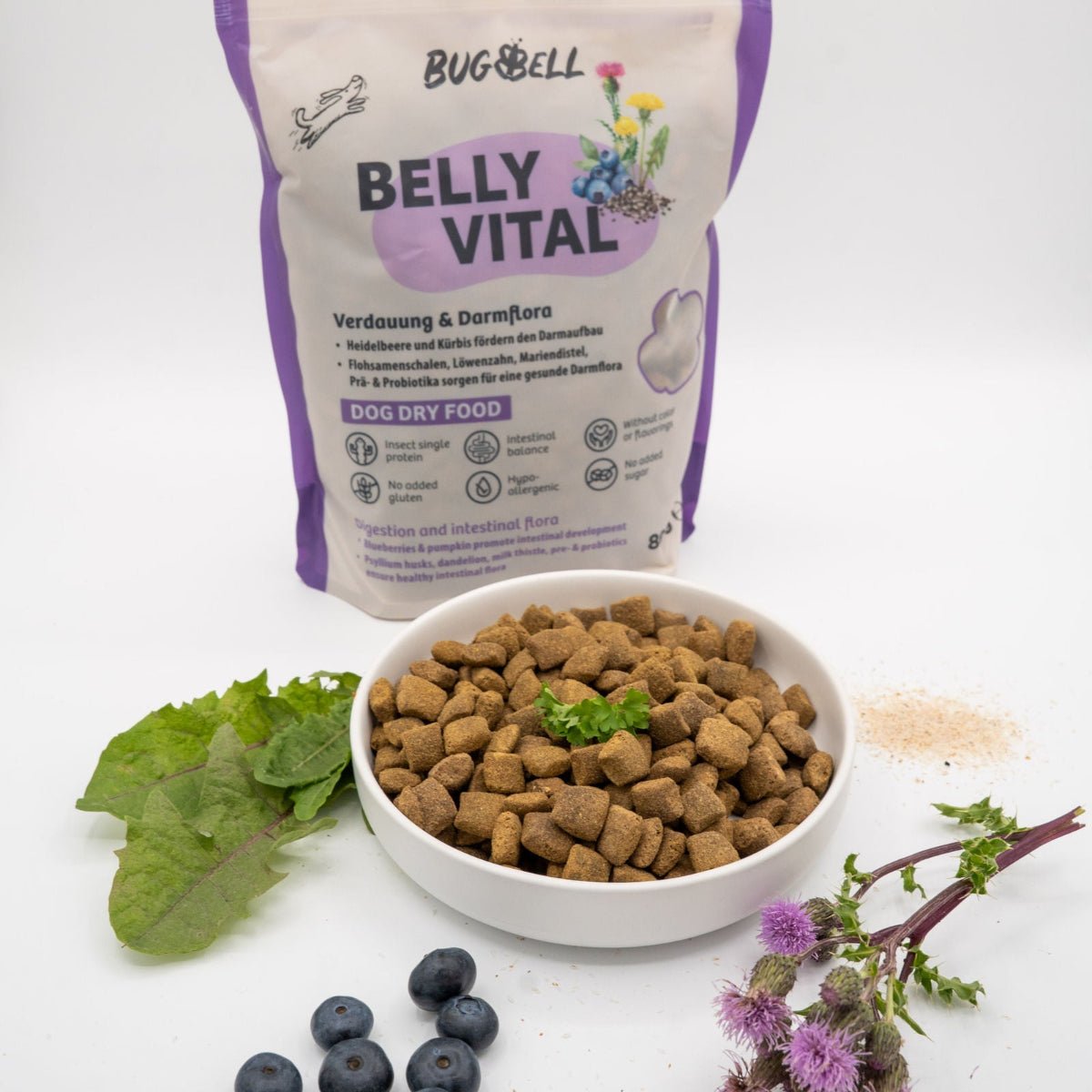
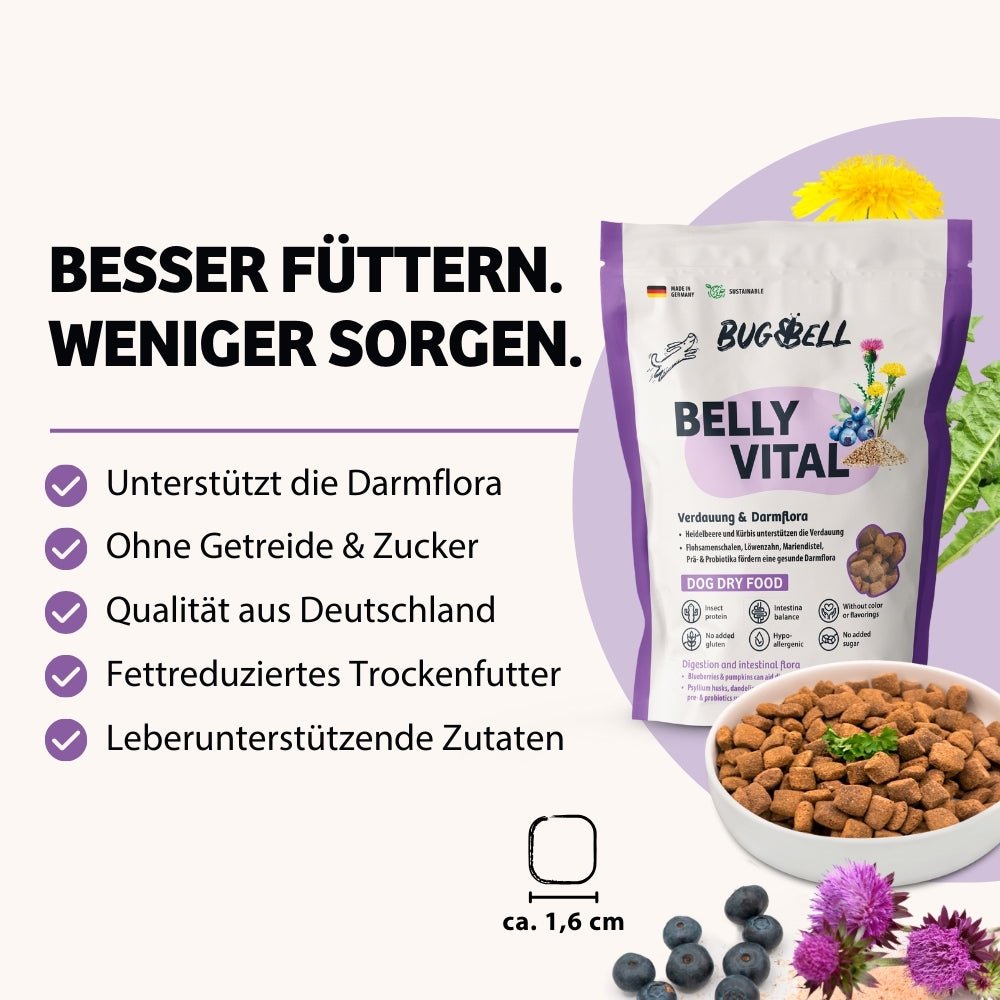
For dogs prone to Clostridium overgrowth or who have experienced clostridiosis, the BugBell BellyVital product range is suitable as a long-term feeding option due to its formulation specifically tailored to gut health – always in consultation with the treating veterinarian.
BellyVital was specially developed for dogs with sensitive digestion and contains functional ingredients that can help support a balanced gut flora:
-
Psyllium husks as natural, soluble fiber for stool regulation and promotion of beneficial gut bacteria
-
Blueberries with antimicrobial anthocyanins and fiber to support gut flora
-
Pre- and probiotics to promote natural gut balance
-
Milk thistle and dandelion to support liver and gallbladder function, which is essential for healthy digestion
-
Low-fat, stomach-friendly and free from grains, sugar, soy, and artificial flavors and colors
-
Available as Dry dog food, topping, dog biscuits, Crunchy sticks, soft treats, and gut elixir – suitable for every feeding situation

Treatment and Therapy for Clostridiosis in Dogs
Treatment depends on the severity of the disease and is always determined by the veterinarian. Typical therapeutic components include:
-
Antibiotics: Metronidazole is the drug of choice for clostridiosis – it specifically targets anaerobic bacteria such as Clostridia and also has anti-inflammatory properties. For C. difficile, amoxicillin or tylosin may be used. Important: Antibiotics should be administered consistently and completely to avoid resistance.
-
Intravenous Fluid Therapy: In cases of severe dehydration and electrolyte loss, intravenous fluid therapy is necessary to stabilize the circulatory system.
-
Probiotics after antibiotic therapy: To regenerate the gut flora damaged by antibiotics, probiotics are often used afterward. Their use should be staggered with antibiotic intake.
-
Gastric regulators and motility modifiers: Can be used supportively in cases of severe vomiting or cramps.
-
Bland diet and long-term dietary adjustment: Alongside medicinal therapy and permanently to prevent relapses.
Recurrent Clostridia – What to Do in Chronic Cases?
Some dogs suffer from recurrent clostridiosis – symptoms keep returning despite treatment. This often indicates that the root cause of the dysbiosis has not yet been eliminated.
Possible reasons for recurrent Clostridia in dogs:
- Persistently unfavorable diet (too fatty, too poorly digestible)
- Undiagnosed underlying disease (IBD, EPI, pancreatitis)
- Repeated antibiotic treatments that permanently destabilize the microbiome
- Chronic stress without adequate management
- Reinfection from the environment (spores in the garden, contaminated water)
In cases of recurrent Clostridia, extended diagnostics, including microbiome analysis (fecal microbiome sequencing), are recommended to assess the extent of dysbiosis. In stubborn cases, fecal microbiota transplantation (FMT) is increasingly used in dogs – where feces from a healthy donor animal are transferred to establish a healthy microbiome.

Prognosis and Course of Clostridiosis
The prognosis for uncomplicated clostridiosis is generally good to very good if the disease is detected and treated early. Most dogs recover completely within a few days.
The following factors influence the prognosis:
- Severity of the disease and degree of dehydration at the time of treatment
- Presence of hemorrhagic gastroenteritis (HGE) – poorer prognosis, but survivable with immediate treatment
- Presence of underlying diseases (IBD, EPI, immunodeficiency)
- Consistency of dietary changes after the acute phase
- Avoidance of risk factors (raw meat, carrion, antibiotics without indication)
For hemorrhagic gastroenteritis (HGE), the most severe form, immediate treatment is crucial: Without therapy, HGE can become life-threatening within hours. However, with immediate intravenous fluid therapy and antibiotic administration, most dogs survive without permanent damage.
Frequently Asked Questions about Clostridia in Dogs (FAQ)
Are Clostridia in dogs contagious to humans?
In principle, Clostridia have a certain zoonotic potential, especially Clostridium difficile. The risk of infection for healthy adults is low but present. Immunocompromised individuals, the elderly, and young children should avoid direct contact with the feces of an infected dog. Thorough hand washing after contact with an infected animal is always important.
What food is best for Clostridia in dogs?
In the acute phase, easily digestible bland food (e.g., boiled chicken with rice) is suitable. Long-term, a low-fat, highly digestible food with prebiotic fibers like psyllium husks, as well as gut-supporting ingredients like blueberries and probiotics – such as the BugBell BellyVital line – is recommended.
How long does clostridiosis last in dogs?
Uncomplicated clostridiosis usually subsides within 3–7 days with proper treatment. In severe HGE or underlying diseases, full recovery can take several weeks. Without treatment, the disease can worsen rapidly.
Can Clostridia be prevented in dogs?
Yes. The most important preventive measures are: low-fat, easily digestible diet with prebiotic ingredients, no sudden food changes, avoidance of raw poultry, clean water bowls, avoidance of carrion and compost, and targeted probiotic use after every antibiotic administration – always in consultation with the veterinarian.
Are Clostridia the same as poisoning in dogs?
Not directly. While Clostridia produce toxins, it is a bacterial infectious disease, not a classic external poisoning. The mechanism is similar to food poisoning: the toxins damage the intestinal lining and cause the typical symptoms.
Can dogs with IBD also have Clostridia?
Yes, and this is not uncommon. Dogs with IBD have a compromised intestinal barrier and an altered microbiome, making them more susceptible to Clostridia overgrowth. In this case, treatment must address both conditions. Close veterinary care and a permanently adjusted diet – for example, with the BellyVital product range – are particularly important.
Scientific Sources and Evidence
- Weese JS, Staempfli HR, Prescott JF, Kruth SA, Greenwood SJ, Weese HE. The roles of Clostridium difficile and enterotoxigenic Clostridium perfringens in diarrhea in dogs. J Vet Intern Med. 2001;15(4):374–378. – Prospective study (87 dogs with diarrhea, 55 healthy dogs): CPE toxin was detected in 28% of diseased dogs, but only 5% of healthy controls (p = 0.01); C. difficile toxins in 21% vs. 7%.
- Marks SL, Kather EJ, Kass PH, Melli AC. Genotypic and phenotypic characterization of Clostridium perfringens and Clostridium difficile in diarrheic and healthy dogs. J Vet Intern Med. 2002;16(5):533–540. – Study of 132 dogs (hospitalized sick, hospitalized healthy, outpatient healthy): Demonstrated that the mere presence of bacteria without toxin detection is not clinically useful – the gold standard is toxin detection by ELISA or PCR.
- Marks SL, Rankin SC, Byrne BA, Weese JS. Enteropathogenic bacteria in dogs and cats: diagnosis, epidemiology, treatment, and control. J Vet Intern Med. 2011;25(6):1195–1208. – Consensus report of the American College of Veterinary Internal Veterinary medicine (ACVIM): comprehensive guidelines on diagnosis, epidemiology, treatment, and hygiene measures for enteropathogenic bacteria (incl. C. perfringens, C. difficile) in dogs and cats; alcohol-based hand sanitizers are not effective against Clostridia spores.
- Weese JS, Finley R, Reid-Smith R, Janecko N, Rousseau J. Evaluation of Clostridium difficile in dogs and the household environment. Epidemiol Infect. 2010;138(8):1100–1104. – C. difficile was detected in 31% of the households examined and in 10% of household dog feces; ribotype 027 (highly virulent strain) was the most common environmental strain (25%); cohabitation with immunocompromised individuals identified as a risk factor.
- Sindern N, Suchodolski JS, Leutenegger CM, Mehdizadeh Gohari I, Prescott JF, Proksch AL, Mueller RS, Busch K, Unterer S. Prevalence of Clostridium perfringens netE and netF toxin genes in the feces of dogs with acute hemorrhagic diarrhea syndrome. J Vet Intern Med. 2019;33(1):100–105. – Evidence that the pore-forming toxins NetE and NetF of C. perfringens Type A are considered major pathogenicity factors in acute hemorrhagic diarrhea syndrome (AHDS/HGE) in dogs; advocates for targeted PCR-based diagnostics instead of general culture methods.
- Suchodolski JS, Markel ME, Garcia-Mazcorro JF, Unterer S, Heilmann RM, Dowd SE, et al. The fecal microbiome in dogs with acute diarrhea and idiopathic IBD / Inflammatory Bowel Disease. PLoS ONE. 2012;7(12):e51907. – Significant reduction in microbial diversity and the proportion of beneficial strains (incl. Faecalibacterium, Blautia) in dogs with acute diarrhea and IBD compared to healthy controls; demonstrates the pathogenetic significance of dysbiosis in canine intestinal diseases.
- Pilla R, Suchodolski JS. The gut microbiome of dogs and cats, and the influence of diet. Vet Clin North Am Small Anim Pract. 2021;51(3):605–621. – Review article: High-protein/high-fat diets (e.g., raw meat) significantly increase the canine dysbiosis index; a highly digestible, fiber-rich diet and pre- and probiotics can promote microbial diversity and SCFA production; dietary changes require long-term adherence.
- Viegas FM, Ramos CP, Xavier RGC, Lopes EO, Oliveira Junior CA, Bagno RM, et al. Fecal shedding of Salmonella spp., Clostridium perfringens, and Clostridioides difficile in dogs fed raw meat-based diets. PLoS One. 2020;15(4):e0231275. – Raw meat-fed dogs shed C. perfringens and C. difficile significantly more frequently in their feces than commercially fed dogs; highlights the increased outbreak risk under BARF diets and the zoonotic potential for pet owners.
- Suchodolski JS. Analysis of the gut microbiome in dogs and cats. Vet Clin Pathol. 2022;50(Suppl 1):6–17. – Validation of the canine dysbiosis index (DI) as a qPCR-based diagnostic; broad-spectrum antibiotics (incl. metronidazole) significantly reduce Clostridium hiranonis and cause persistent dysbiosis that can last for months in some animals – argument for cautious, targeted antibiotic use.
Dog Food at Clostridia / Clostridiosis
Please note: Our products can contribute to nutritional support, but they are not cures. Please always seek professional veterinary advice if your dog has health problems.