Anal Gland Inflammation in Dogs: Causes, Symptoms and Nutrition for Anal Sac Problems
Table of Contents:
- Anal Gland Inflammation in Dogs: Symptoms and Early Signs
- Causes of Anal Sac Problems in Dogs
- Anal Gland-Friendly Nutrition to Support Digestion
- Nutrients to Promote Anal Gland Function
- BugBell BellyVital: Food for Dogs with Anal Sac Problems
Anal gland inflammation in dogs can not only be painful, but can also recur if the cause is not identified or is treated incorrectly. The most common triggers include anal sac problems, constipation, or an unbalanced diet. In addition to veterinary care, anal gland-friendly nutrition plays a crucial role – it can improve defecation and promote the natural emptying of the glands.
If the inflammation is left untreated, it can, in the worst case, lead to the formation of abscesses or fistulas. Your dog's general condition may also deteriorate – they may become restless, eat less, and possibly even show aggression when you try to touch their hindquarters. Especially with chronic recurring problems, it is important not only to treat locally, but to look at the bigger picture – particularly nutrition and digestion.

Anal Gland Inflammation in Dogs: Symptoms and Early Signs
The symptoms of an inflamed anal gland or impacted anal sac are usually easy to recognize:
- Scooting – the dog drags its rear end across the floor
- Excessive licking or nibbling at the anus
- Foul odor from the anal area
- Redness, swelling, or pain during defecation
- Changed defecation behavior or a stiff gait
Early detection of symptoms is crucial to stop the progression of the inflammation and avoid complications. Many dogs initially show only mild signs such as increased licking or scooting – but the longer the inflammation remains untreated, the more intense the symptoms become.
Causes of Anal Sac Problems in Dogs
Anal gland inflammation is often the result of a disturbed digestive system. Causes can include:
- Stool that is too soft, which does not create enough pressure to empty the glands
- Chronic digestive problems or diarrhea
- Allergies or food intolerances
- Obesity or lack of exercise
- Genetic predisposition in small breeds
The causes of anal sac inflammation in dogs are often multifactorial. Especially in small dog breeds, anatomy, exercise behavior, and feeding play a major role. Stress-related digestive disorders or incorrect bowel routines can also lead to blockages of the glands in the long term. The goal should be to stabilize digestion and promote the body's natural cleansing of the glands through defecation.
Anal Gland-Friendly Nutrition to Support Digestion
The right dog food for anal sac inflammation supports defecation and promotes digestive tract health. Pay attention to:
- Fiber such as psyllium husks, pumpkin, and flaxseed
- Pre- and probiotics to support the gut flora
- Easily digestible single protein source, e.g., insect protein
- Grain-free recipes with natural crude fiber content
Targeted nutrition can help address the root cause. The focus is on improved stool consistency, a healthy gut flora, and sustainable relief for the digestive organs. It is important to pay attention to high-quality, as natural as possible ingredients, while avoiding allergenic components such as beef, wheat, or artificial additives.
Nutrients to Promote Anal Gland Function
An anal gland-friendly diet provides important nutrients to normalize the digestive process and thus promote the natural function of the anal sacs:
- Psyllium husks for stool volume
- Pumpkin seeds for bowel regulation
- Blueberries as an antioxidant source
- Milk thistle and dandelion to support liver and metabolism
In practice, it has been shown that functional ingredients such as psyllium husks, pumpkin, or special herbs not only shape the stool but also possess anti-inflammatory properties. In addition, prebiotic fibers like inulin or chicory promote microbial diversity in the gut – a healthy gut strengthens the immune system and has a positive effect on inflammatory diseases such as anal gland inflammation in dogs.
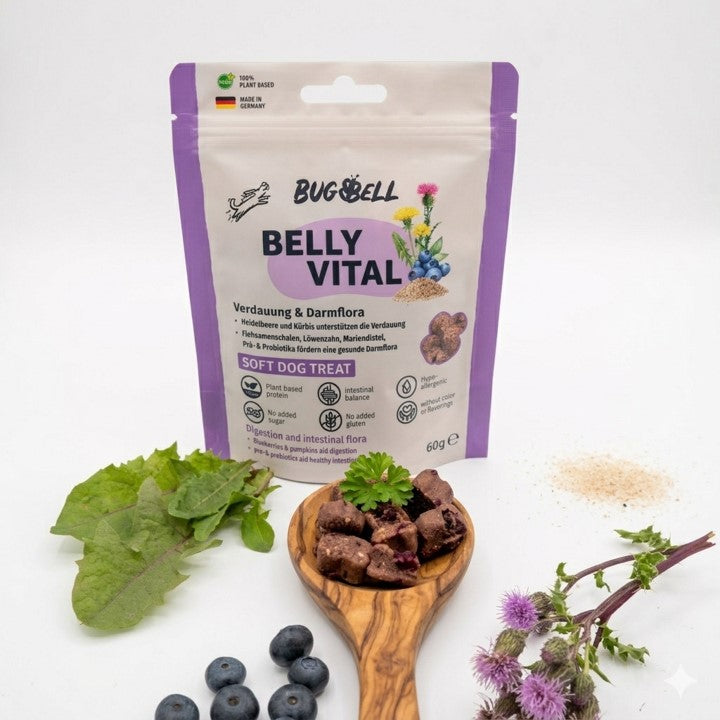
BugBell BellyVital: Food for Dogs with Anal Sac Problems
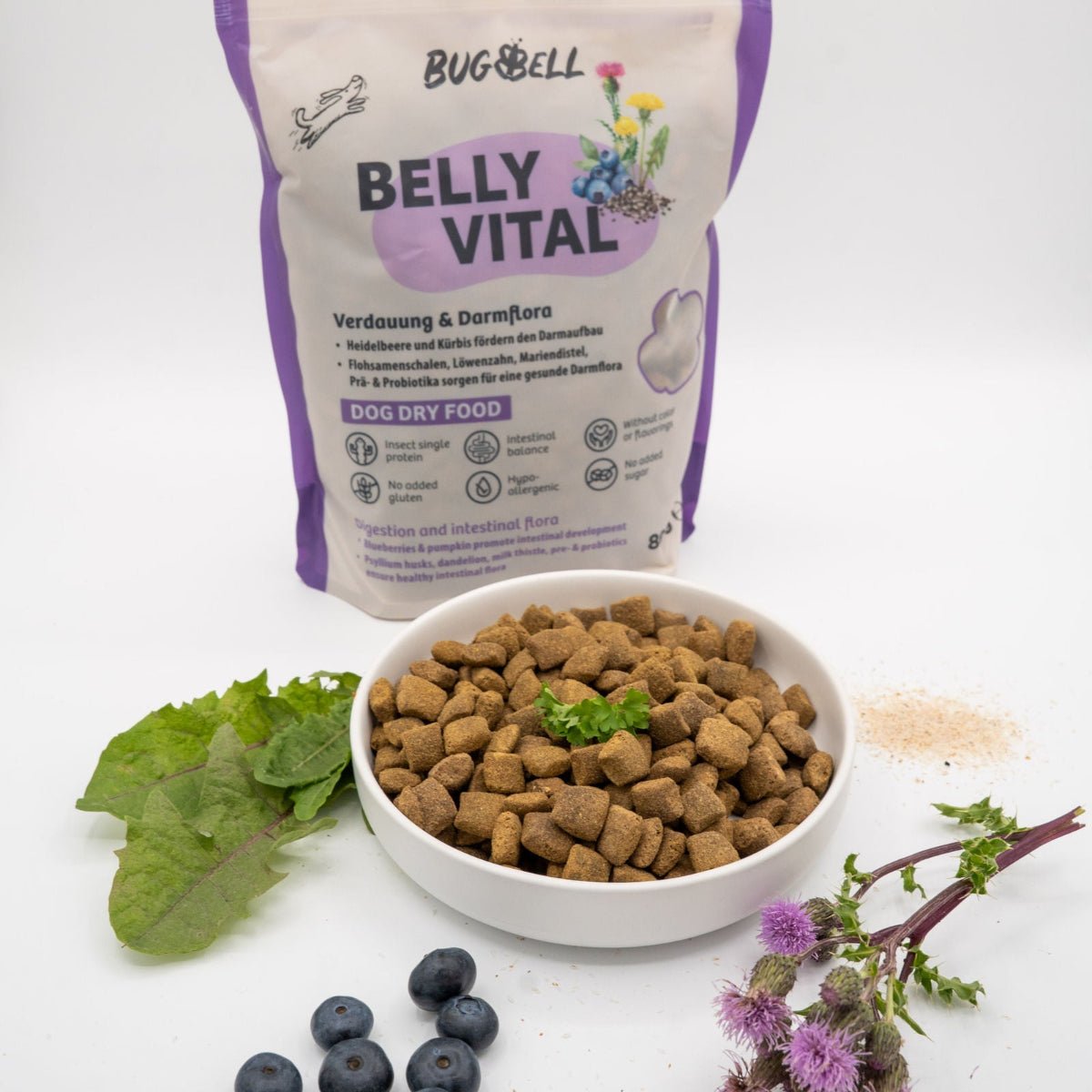
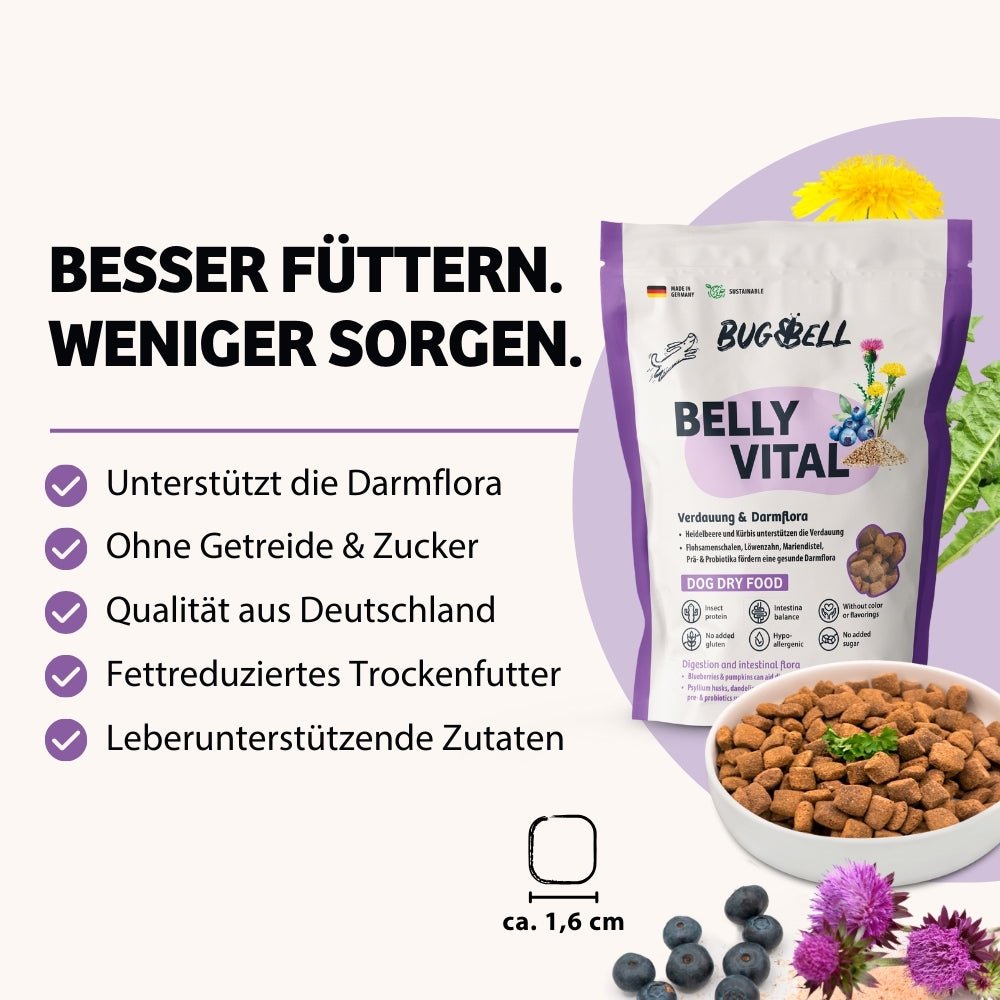
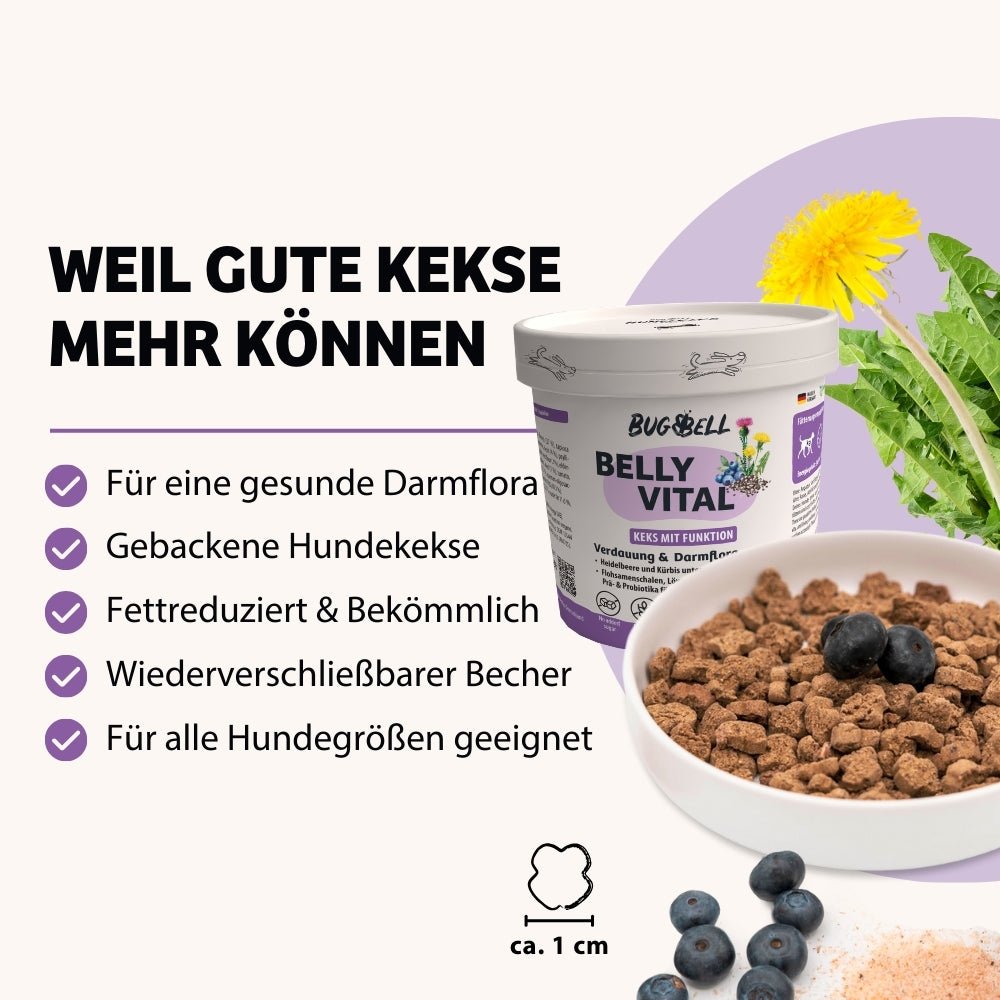
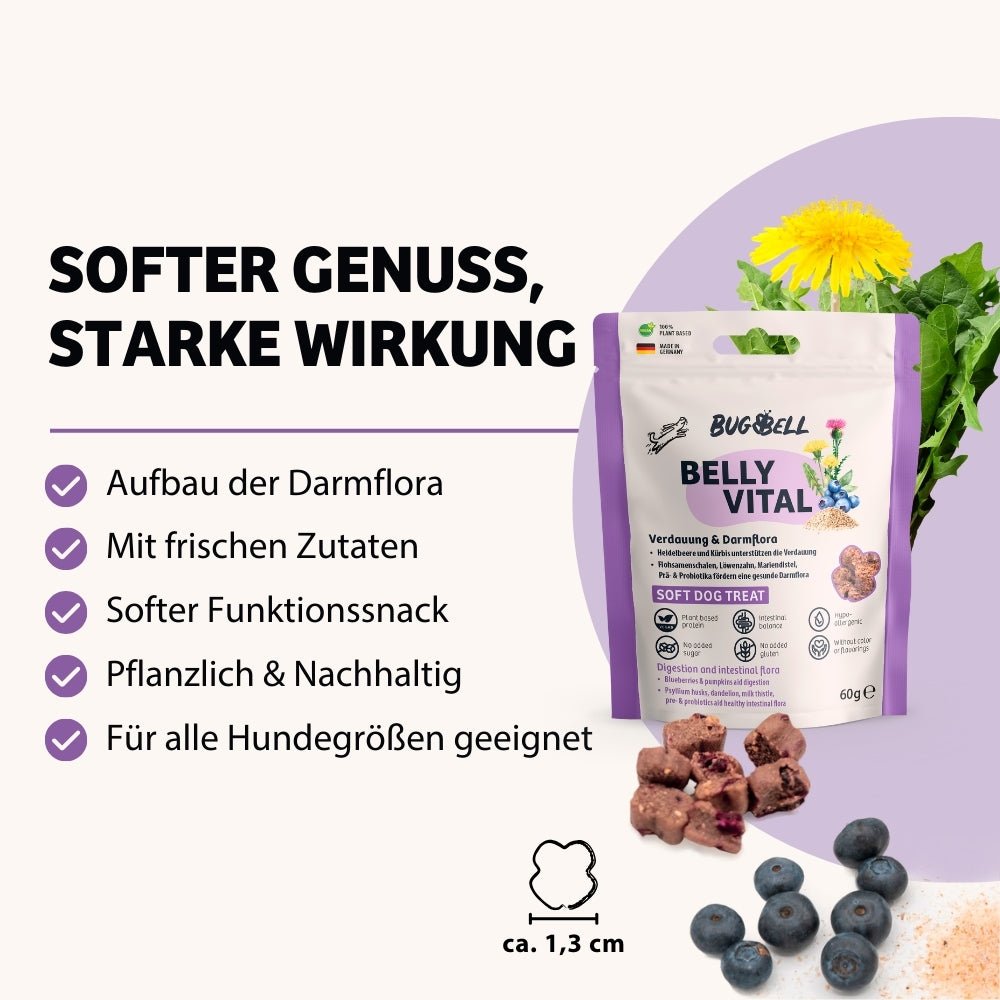
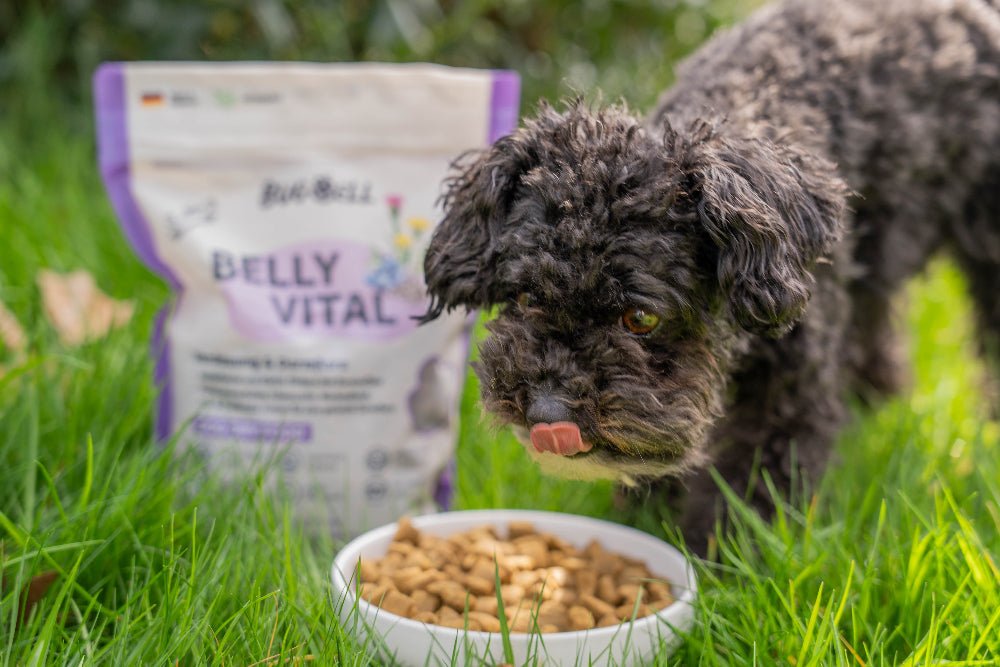
BellyVital from BugBell was specially developed for dogs with sensitive digestive tracts and a tendency to anal gland inflammation. The recipe offers:
- Hypoallergenic insect protein – easily digestible and well-tolerated
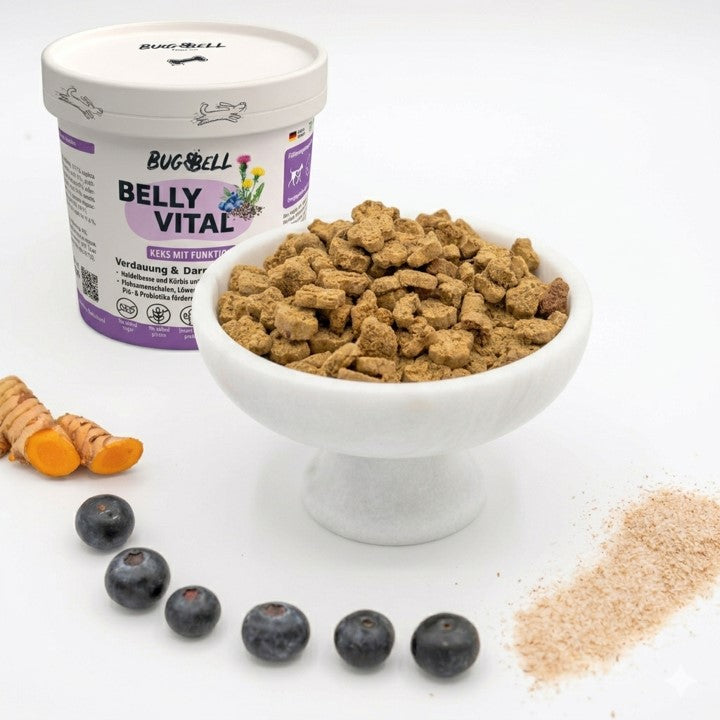
- Fiber from psyllium husks, pumpkin seeds and blueberries
- Grain-free, sugar-free, without artificial additives
- Milk thistle and dandelion to support liver and digestion
BugBell's well-thought-out concept relies on a combination of science, nature, and genuine animal love. The BellyVital series recipe was developed based on current research and specifically tailored for dogs prone to anal gland inflammation or digestive problems. The combination of these ingredients promotes regular defecation, supports the healthy function of the anal glands, and can help prevent recurrent inflammation.
Note: This is a complete food for nutritional support of digestion. In case of acute inflammation, veterinary advice should be sought.
Dog Food at Anal Gland Inflammation / Anal Sac Problems
Please note: Our products can contribute to nutritional support, but they are not cures. Please always seek professional veterinary advice if your dog has health problems.